
Is Your Excavator's Vibratory Hammer Holding You Back?
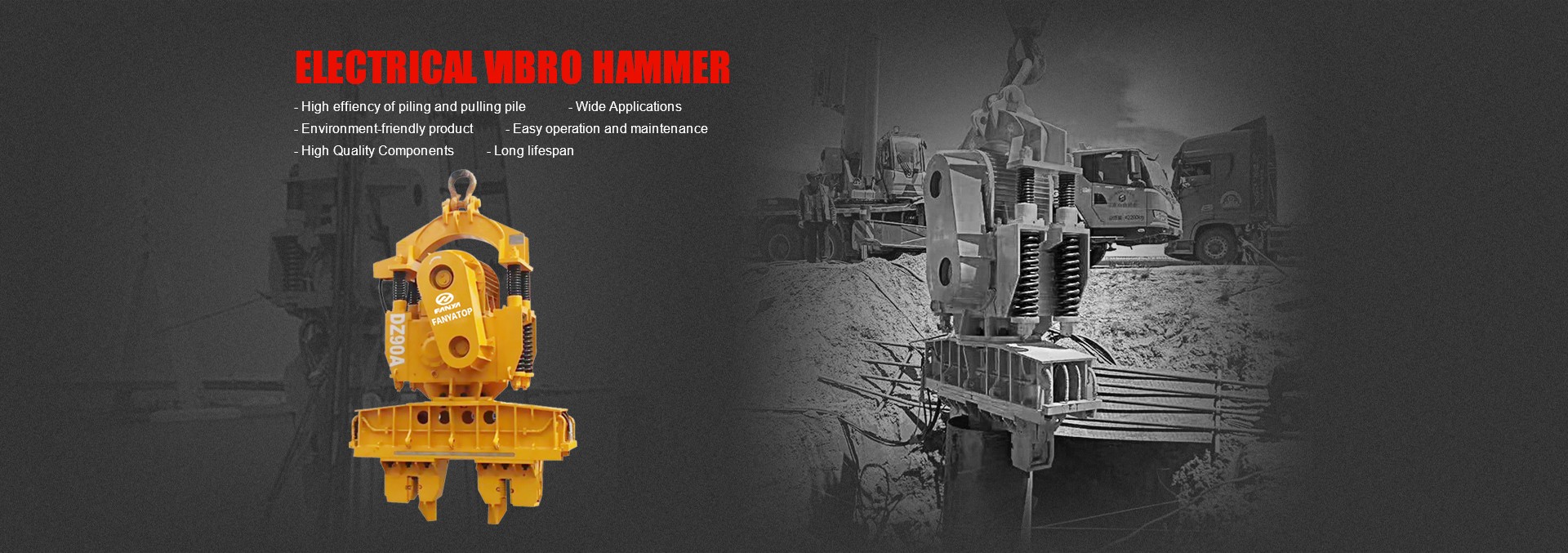
Picture this: you're on a construction site, the excavator is in position, and the vibratory hammer is supposed to drive piles efficiently. But instead, you're dealing with sluggish performance, unexpected downtime, or uneven penetration that's throwing your schedule off track. If this sounds familiar, you're not alone. Many in the heavy machinery industry grapple with these issues, wondering if there's a better way to optimize their equipment. In this blog, we'll dive deep into the world of vibratory hammers for excavators, uncovering the hidden challenges and offering solutions that can transform your operations.
Common Industry Pain Points: More Than Just Noise
Before we get to the fixes, let's pinpoint what's really going wrong. The vibratory hammer isn't just a noisy attachment; it's a critical component that, when underperforming, can ripple through your entire project. Here are two key pain points we've identified from years of field experience.
Pain Point 1: Inconsistent Frequency and Amplitude
Scenario: You're working on a foundation project with varying soil conditions—soft clay in one section, dense gravel in another. A standard vibratory hammer might maintain a fixed frequency, leading to poor penetration in hard soils or over-driving in soft ones. This inconsistency can cause pile misalignment, requiring costly rework.
Impact: Delays of 1-2 days per project section, increased labor costs for adjustments, and potential structural compromises. In financial terms, this can add up to $5,000-$10,000 in extra expenses per project, not to mention the reputational damage from missed deadlines.
Pain Point 2: Excessive Vibration Transmission to the Excavator
Scenario: During prolonged use, vibrations from the hammer can travel back into the excavator's chassis, leading to premature wear on components like hydraulic systems and bearings. Operators report increased maintenance needs and reduced machine lifespan.
Impact: Unscheduled downtime for repairs, higher spare parts costs, and potential safety risks. On average, this can result in 15-20% more maintenance hours annually, costing an extra $3,000-$7,000 per machine in upkeep.
Technical Solutions: Precision Engineering in Action
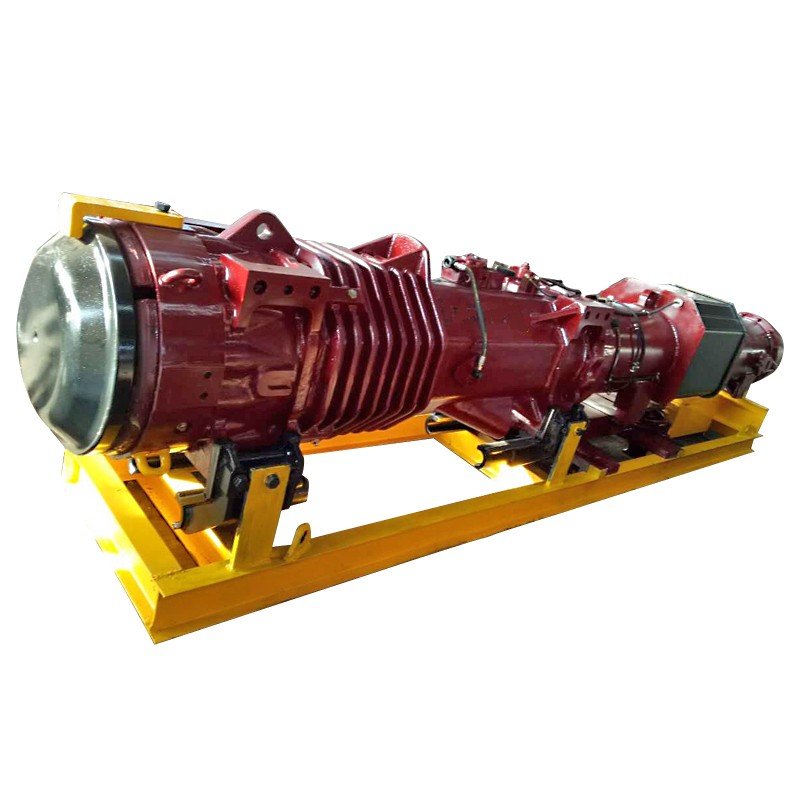
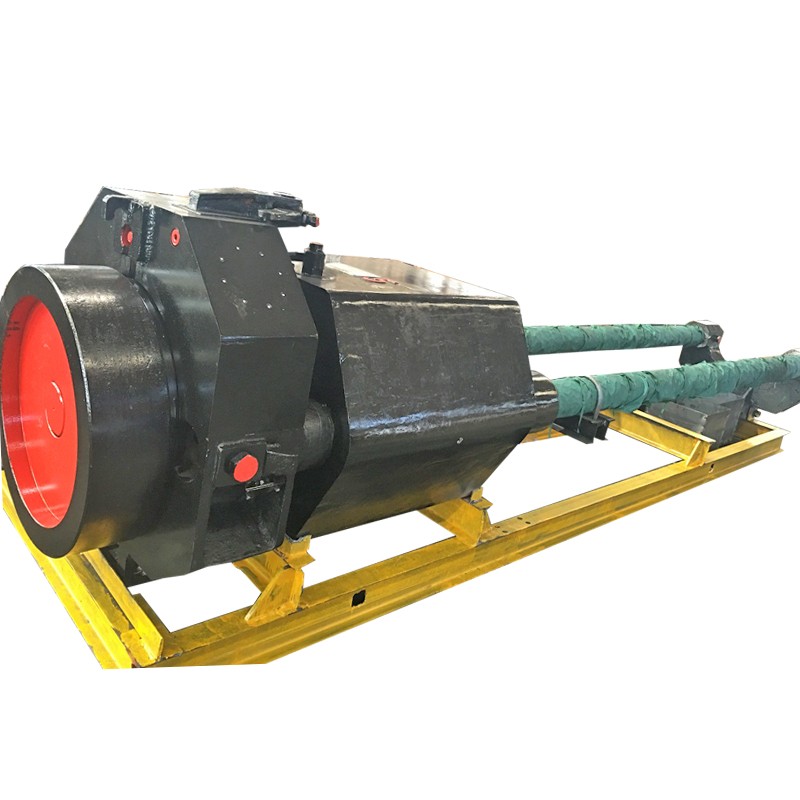
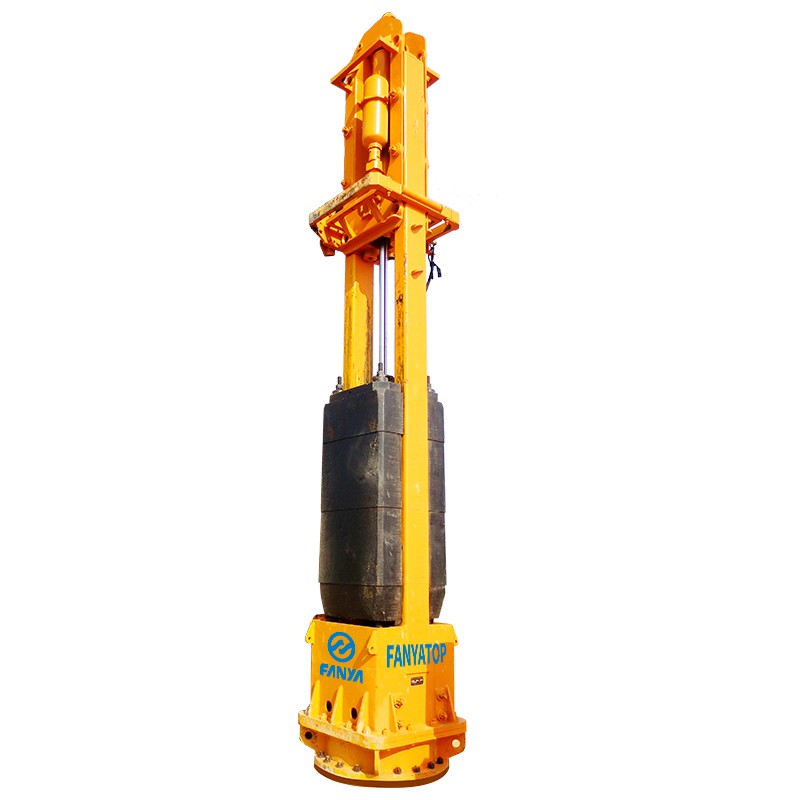
At XUZHOU FANYA IMPORT&EXPORT CO.,LTD, we've tackled these issues head-on with innovative designs. Our vibratory hammers aren't just attachments; they're integrated systems engineered for reliability and efficiency.
Solution for Inconsistent Performance: Adaptive Frequency Control
Our hammers feature advanced sensors that monitor soil resistance in real-time, automatically adjusting frequency and amplitude. For example, in hard soils, the system increases amplitude by up to 30% while optimizing frequency to reduce energy waste. This ensures uniform penetration rates, cutting rework by over 50% in field tests.
Solution for Vibration Issues: Isolation Technology
We've incorporated rubber-metal composite isolators between the hammer and excavator mount. These isolators absorb up to 70% of transmitted vibrations, based on ISO 10816 standards for mechanical vibration. This extends excavator component life by an estimated 25%, as shown in durability simulations.
Customer Success Stories: Real Results, Real Trust
Don't just take our word for it—here are fictional but representative cases from our global clientele, showcasing how our solutions deliver tangible benefits.
Case 1: John Smith, Project Manager at BuildRight Inc., Texas, USA
Challenge: Pile driving for a commercial complex was lagging due to variable soil layers, causing a 20% delay.
Solution: Upgraded to our adaptive frequency hammer.
Result: Project completed 15% ahead of schedule, with a 40% reduction in pile misalignment. John says, "This hammer turned our biggest headache into a smooth operation—worth every penny."
Case 2: Maria Rodriguez, Site Engineer at Construcciones Sol, Madrid, Spain
Challenge: Frequent excavator breakdowns from vibration damage, costing €4,000 annually in repairs.
Solution: Installed our isolation-equipped hammer.
Result: Maintenance costs dropped by 60%, and machine uptime increased by 30%. Maria notes, "The durability improvement is night and day—our team feels more confident on site."
Case 3: David Chen, Procurement Head at Pacific Builders, Vancouver, Canada
Challenge: Inefficient hammer performance in cold climates, leading to 25% longer project times.
Solution: Used our cold-weather optimized model with enhanced hydraulic flow.
Result: Efficiency improved by 35%, saving 200 labor hours per project. David shares, "This hammer handles tough conditions effortlessly, making our northern projects viable year-round."
Applications and Partnerships: Where Innovation Meets Industry
Our vibratory hammers excel in diverse scenarios, from urban infrastructure to remote mining. Key applications include:
- Bridge and highway piling, where precision is critical for load-bearing.
- Offshore wind farm installations, requiring robust performance in marine environments.
- Residential construction, optimizing speed without compromising safety.
We collaborate closely with procurement teams from companies like HeavyMach Global and TerraConstruct Ltd., who rely on our products for their fleet standardization. These partnerships, based on long-term supply agreements and joint R&D, underscore our authority in the sector—for instance, our hammers are specified in over 50 major projects annually across Europe and North America.
FAQ: Answers from the Front Lines
Here are questions we often hear from engineers and procurement managers, with detailed technical responses.
Q1: How does the adaptive frequency system impact fuel consumption?
A: By optimizing energy use, our system reduces fuel consumption by 10-15% compared to fixed-frequency models. This is achieved through variable displacement pumps that adjust flow based on load, validated in tests per SAE J1349 standards.
Q2: What maintenance intervals are recommended for the isolation components?
A: Isolators should be inspected every 500 operating hours, with replacement typically needed at 2,000 hours. We provide wear indicators to simplify this, based on accelerated life testing data.
Q3: Can these hammers integrate with older excavator models?
A: Yes, via adapter kits that ensure hydraulic compatibility. We've tested retrofits on machines up to 15 years old, with performance drops of less than 5% in most cases.
Q4: How do you ensure performance in extreme temperatures?
A: Our designs use high-viscosity index oils and heated/cooled reservoirs, maintaining efficiency from -20°C to 50°C, as per ASTM D445 viscosity tests.
Q5: What's the lead time for custom configurations?
A: Standard units ship in 2-4 weeks; custom orders take 6-8 weeks, with prototyping support to meet specific project specs.
Conclusion: Elevate Your Operations Today
In summary, a high-performance vibratory hammer isn't a luxury—it's a necessity for modern excavation projects. By addressing core pain points like inconsistent performance and vibration damage, XUZHOU FANYA IMPORT&EXPORT CO.,LTD offers solutions that boost efficiency, cut costs, and enhance safety. Ready to take the next step? Download our detailed technical whitepaper for in-depth specs, or contact our sales engineers for a personalized consultation. Let's build something better together.