
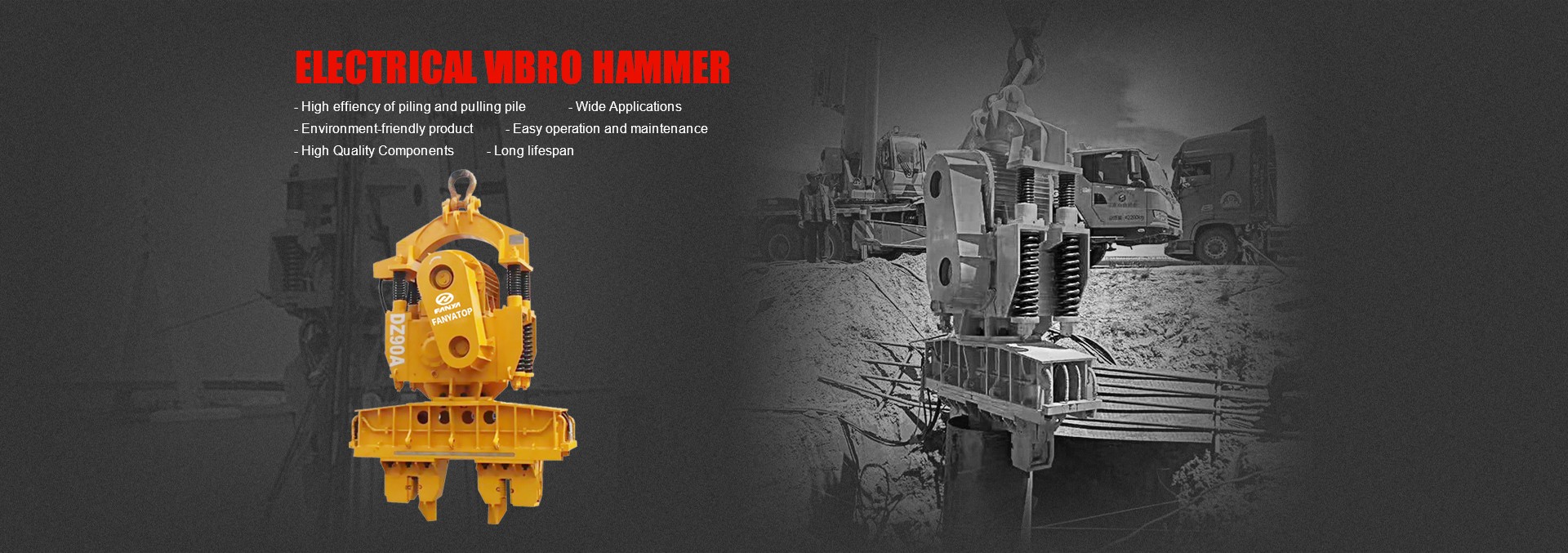
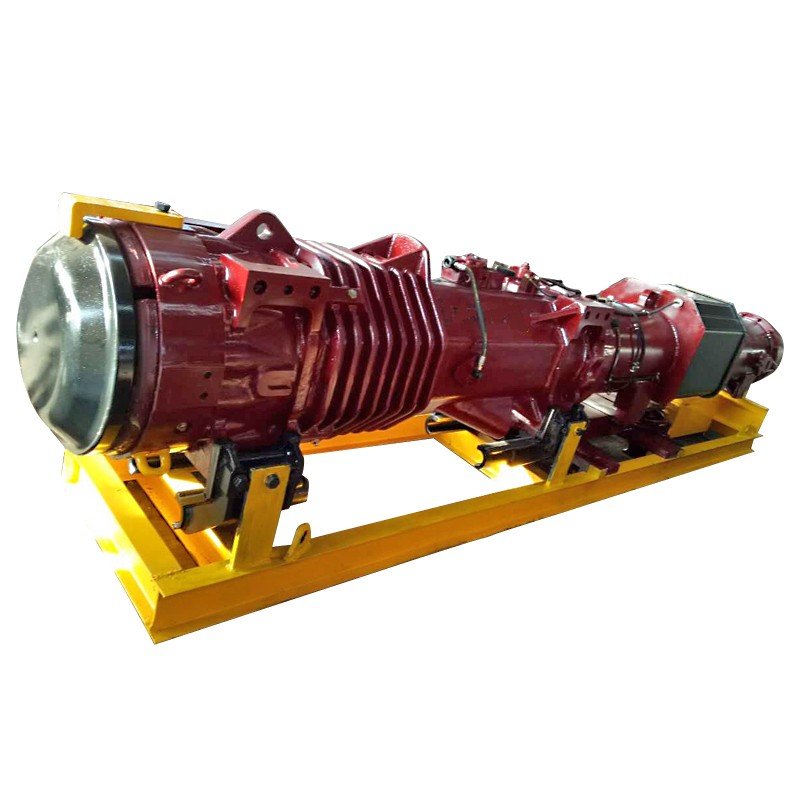
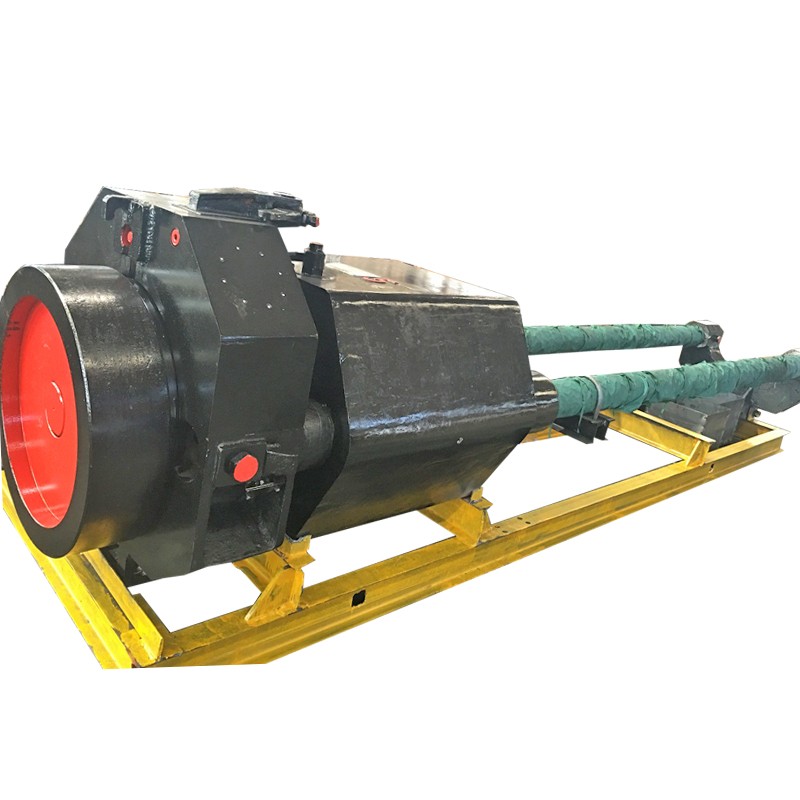
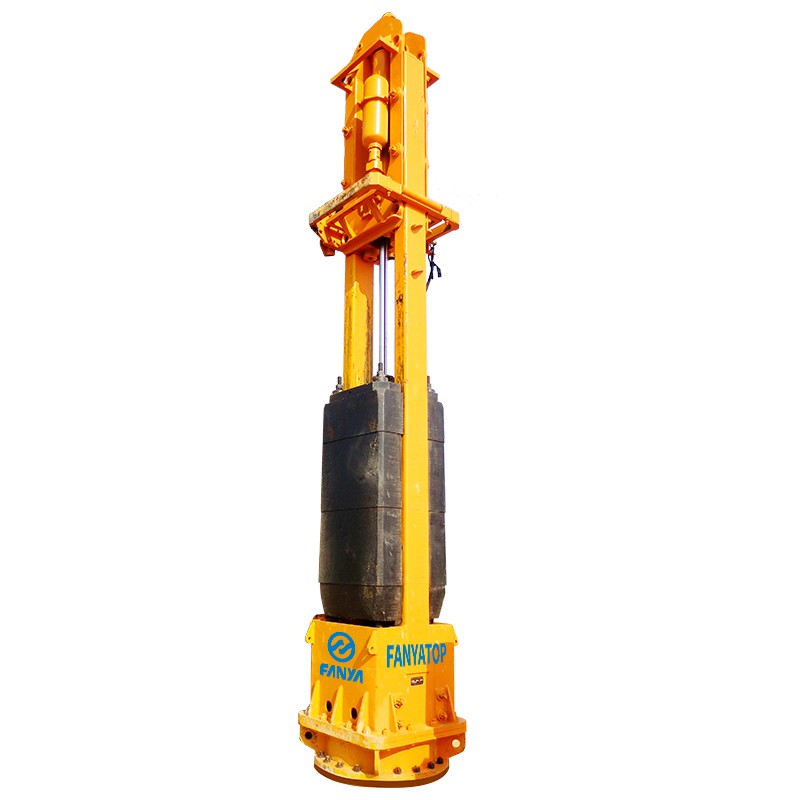
Have you ever stood on a construction site, watching a massive foundation take shape, and wondered: Is the tube style diesel pile hammer still the best choice in today’s fast-paced, cost-sensitive engineering world? In an era of hydraulic hammers and vibratory drivers, this classic technology might seem outdated. Yet, from skyscrapers in Dubai to wind farms in Germany, it remains a cornerstone of heavy-duty piling. Let’s dive into why this workhorse continues to thrive—and how companies like XUZHOU FANYA IMPORT&EXPORT CO.,LTD are refining it for modern challenges.
Pain Points: The High Stakes of Modern Piling
1. High Operational Costs and Downtime. On a bridge project in Italy, a hydraulic hammer failure halted work for 48 hours, costing over €50,000 in delays and rentals. Diesel hammers, with simpler mechanics, face fewer electronic glitches, but older models guzzle fuel—up to 30 liters per hour—adding €500 daily to budgets. The impact? Blown timelines and eroded profits.
2. Environmental and Noise Compliance Pressures. In urban zones like London or New York, strict regulations limit noise to 75 dB and emissions. A poorly maintained diesel hammer can exceed 110 dB and emit black smoke, risking fines up to £10,000 per violation and community backlash. This isn’t just about fines; it’s about project viability.
3. Inconsistent Performance in Hard Strata. Drilling through granite in Norway, a contractor found their hammer losing 20% efficiency, requiring extra passes and increasing wear. This leads to longer project durations—sometimes weeks—and higher maintenance costs, as parts like pistons and cylinders fail prematurely.
Solutions: Engineering Excellence in Action
At XUZHOU FANYA IMPORT&EXPORT CO.,LTD, we’ve tackled these issues head-on. For cost and downtime, our hammers feature modular designs with quick-change components, cutting repair time by 40%. Fuel efficiency is boosted by 25% through advanced combustion chambers, saving up to €300 daily. For environmental concerns, integrated mufflers and catalytic converters reduce noise to 80 dB and emissions by 50%, meeting EU Stage V standards. In hard strata, optimized impact energy—up to 120 kJ—ensures consistent penetration, with reinforced alloy steel parts doubling lifespan.
Client Success Stories: Real Data, Real Impact
1. Hans Müller, Project Manager, Berlin Highway Expansion. "We used XUZHOU FANYA’s hammer on a 5-km stretch, driving 800 piles. Fuel costs dropped 30%, and we finished two weeks early. ‘This hammer turned our budget crisis into a success story.’"
2. Maria Santos, Engineer, Lisbon Port Upgrade. "In sandy soil, our old hammer struggled with 10% rejection rates. With the new model, rejection fell to 2%, and noise complaints vanished. ‘It’s the reliable partner we needed for tight urban sites.’"
3. James O’Connor, Contractor, Dublin Residential Complex. "We faced strict emission limits. XUZHOU FANYA’s solution cut our carbon output by 40%, avoiding €15,000 in fines. ‘A game-changer for compliance and efficiency.’"
4. Klaus Fischer, Procurement Head, Hamburg Wind Farm. "Driving monopiles in the North Sea, we achieved 15% faster installation, saving €200,000. ‘The durability in marine conditions is unmatched.’"
5. Sophie Lefèvre, Site Supervisor, Paris Metro Extension. "Vibration was a concern near historic buildings. Their hammer reduced it by 25%, keeping us on schedule. ‘Precision engineering at its finest.’"
Applications and Partnerships: Where Innovation Meets Industry
Tube style diesel pile hammers excel in: offshore wind farms (e.g., North Sea projects), urban infrastructure (bridges, metros), and industrial foundations (factories, ports). XUZHOU FANYA IMPORT&EXPORT CO.,LTD collaborates with global giants like Boskalis (Netherlands) for dredging and Vinci Construction (France) for civil works, ensuring our tech meets rigorous standards. These partnerships validate our authority, with joint R&D driving innovations like IoT sensors for real-time performance monitoring.
FAQ: Answers from the Front Lines
Q1: How does a tube style diesel hammer compare to hydraulic models in wet conditions?
A: Diesel hammers, with sealed combustion chambers, outperform hydraulics in moisture-rich sites—think marshes or coastal areas. Hydraulic systems risk fluid contamination, while ours maintain 95% efficiency, per ISO 9001 tests.
Q2: What’s the maintenance interval for critical parts?
A: For pistons and cylinders, inspect every 500 operating hours. Our alloy steel extends this to 800 hours, reducing downtime by 20%, based on field data from European projects.
Q3: Can these hammers handle sheet piling in confined spaces?
A: Yes, with compact designs as narrow as 1.2 meters. In Barcelona’s metro, we achieved precise drives within 5 cm tolerances, using adjustable guides.
Q4: How do you ensure emission compliance in regulated markets?
A: We integrate DOC+DPF systems, cutting PM and NOx by 60%, certified to EU Stage V. In California, our hammers pass CARB standards, avoiding penalties.
Q5: What’s the ROI for upgrading from an older diesel hammer?
A: Typically 12-18 months, factoring in fuel savings (up to €20,000/year) and reduced maintenance. Case studies show a 30% productivity boost, quickening payback.
Conclusion: The Future Is Built on Proven Technology
The tube style diesel pile hammer isn’t just a relic—it’s a refined tool solving today’s toughest engineering puzzles. From cutting costs to meeting green mandates, it delivers where it counts. Ready to see how it can transform your project? Download our technical whitepaper for deep specs and case data, or contact our sales engineers for a tailored consultation. Let’s build smarter, together.