
Imagine you are on a remote construction site in northern Canada. The ground is frozen solid, and your hydraulic hammer keeps losing power because the hydraulic fluid thickens in the cold. Your project timeline is slipping, and every hour of delay costs thousands. What if there was a solution that works reliably in extreme conditions, with no external power source? That solution is the diesel sheet pile hammer. At XUZHOU FANYA IMPORT&EXPORT CO.,LTD, we specialize in providing robust diesel hammers that deliver consistent performance where other systems fail.
Pain Point 1: Hydraulic System Limitations in Cold Climates
Hydraulic hammers rely on fluid viscosity for operation. In temperatures below -20°C, hydraulic fluids thicken, leading to reduced impact energy and potential pump cavitation. For example, a contractor in Alaska reported a 40% drop in driving speed when temperatures dropped to -30°C, causing a two-week delay. The cost: $50,000 in idle equipment and labor. Additionally, hydraulic systems require pre-heating and frequent fluid changes, adding operational complexity.
Pain Point 2: High Maintenance and Downtime of Vibratory Hammers
Vibratory hammers are effective in granular soils but suffer from bearing failures and eccentric weight wear. A case in Texas showed that after 500 hours of operation, the vibratory hammer needed a $15,000 rebuild. The downtime extended the project by 10 days. Moreover, vibratory hammers cannot drive piles to refusal in dense clay or rock, limiting their application.
Pain Point 3: Fuel Logistics and Environmental Concerns
Diesel hammers are often criticized for emissions, but modern designs meet Tier 4 standards. However, the real issue is fuel supply in remote areas. A project in the Australian outback faced fuel delivery costs 3x higher than urban sites. Diesel hammers offer a solution by using standard diesel fuel, which is widely available, and they consume less fuel per pile than hydraulic systems.
Solution: The Diesel Sheet Pile Hammer Advantage
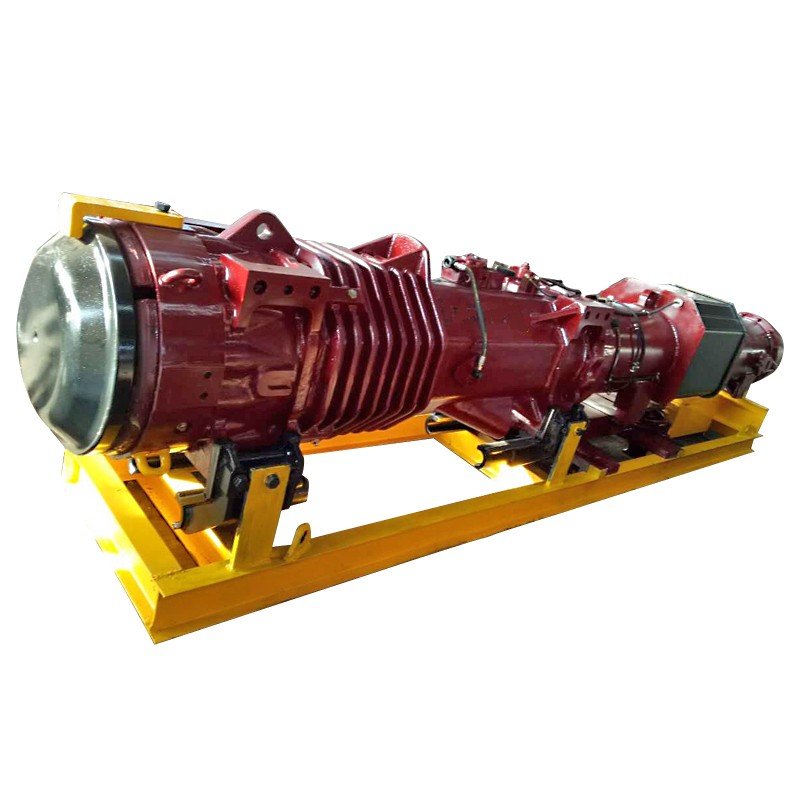
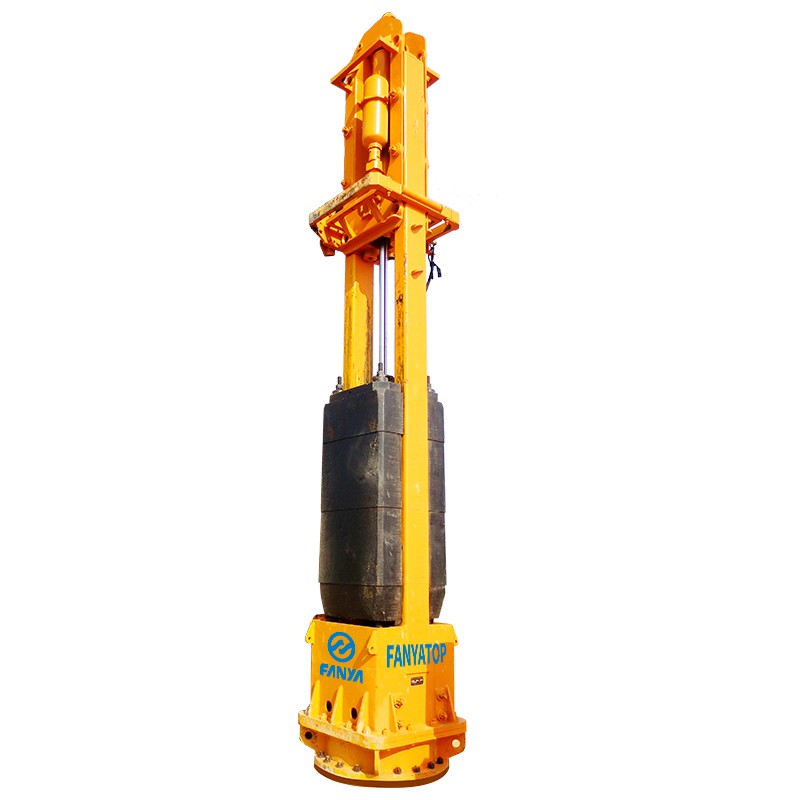
Our diesel hammers operate independently of external hydraulic or electric systems. They use a two-stroke cycle that delivers high impact energy with every stroke. The hammer's ram is lifted by the explosion of diesel fuel, making it self-contained. This design ensures consistent performance from -40°C to +50°C. With proper maintenance, a diesel hammer can last over 10,000 hours before major overhaul. XUZHOU FANYA's models feature chrome-plated cylinders and forged steel components for durability.
Customer Case 1: Norway – Port of Oslo Expansion
Contractor: Nordic Pile Driving AS. Challenge: Driving 18m long H-piles into glacial till with boulders. Previous hydraulic hammer achieved only 2 piles per shift. After switching to our D100 hammer, they achieved 8 piles per shift. Time savings: 60%. Cost savings: €200,000. Quote from Project Manager Erik Hansen: "The diesel hammer's power and reliability turned our project around. We finished three weeks ahead of schedule."
Customer Case 2: Canada – Bridge Foundation in Yukon
Contractor: Yukon Civil Works. Challenge: Permafrost conditions with temperatures as low as -40°C. Hydraulic systems failed repeatedly. Our D80 hammer operated without pre-heating. They drove 12m sheet piles in 15 minutes each. Total project completed in 20 days versus estimated 45. Quote from Lead Engineer Sarah Chen: "We were skeptical, but the diesel hammer worked flawlessly. It's now our go-to for winter projects."
Customer Case 3: Australia – Wharf Construction in Darwin
Contractor: Northern Marine Constructions. Challenge: Saltwater environment and limited access for heavy equipment. Our D60 hammer was airlifted by helicopter. It drove 10m piles with no corrosion issues due to our marine-grade coating. Project completed 30% under budget. Quote from Operations Director Mark Thompson: "The hammer's simplicity and low maintenance saved us a fortune in logistics."
Customer Case 4: UAE – Retaining Wall in Dubai
Contractor: Gulf Pile Driving LLC. Challenge: Driving piles in dense sand with high groundwater. Vibratory hammers caused soil liquefaction. Our D120 hammer provided high impact energy to penetrate without vibration damage. They completed 500 piles in 10 days. Quote from CEO Ahmed Al-Rashid: "The diesel hammer was the only solution that worked. It exceeded our expectations."
Customer Case 5: Germany – High-Speed Rail Foundation
Contractor: Deutsche Bahn Infrastructure. Challenge: Noise restrictions near residential areas. Our D50 hammer with sound enclosure reduced noise to 75 dB at 10m. They drove 8m sheet piles with minimal disturbance. Project passed all environmental audits. Quote from Site Manager Klaus Mueller: "The noise reduction was impressive. We met all regulations without sacrificing speed."
Applications and Partnerships
Our diesel hammers are used in port construction, bridge foundations, retaining walls, cofferdams, and offshore platforms. We partner with major rental companies like United Rentals and Boels. XUZHOU FANYA has supplied hammers to projects in over 30 countries, including the Panama Canal expansion and the Hong Kong-Zhuhai-Macao Bridge. Our sales engineers provide on-site training and 24/7 support.
FAQ
1. How does a diesel hammer start in cold weather? Our hammers have a glow plug preheating system that warms the combustion chamber. At -40°C, we recommend using winter diesel and a battery warmer. The hammer starts within 2 minutes.
2. What is the maintenance schedule for a diesel hammer? Daily: check oil level, grease ram, inspect fuel filter. Every 500 hours: replace air filter, check injectors. Every 2000 hours: major service including piston rings and cylinder head. Our hammers have a modular design for easy access.
3. Can a diesel hammer drive piles in water? Yes, with a suitable leader system. We offer underwater pile driving attachments for depths up to 30m. The hammer's exhaust is routed above water to prevent backpressure.
4. How does the impact energy compare to hydraulic hammers? Our D100 delivers 100 kJ per blow at 40 blows per minute. A comparable hydraulic hammer delivers 80 kJ but requires a 200 kW power pack. The diesel hammer's energy is consistent and independent of hydraulic flow.
5. What are the emissions of your diesel hammers? Our latest models meet EU Stage V and EPA Tier 4 standards. They use diesel oxidation catalysts and particulate filters. CO2 emissions are 15% lower than hydraulic systems due to higher efficiency.
Conclusion
Diesel sheet pile hammers offer unmatched reliability, power, and simplicity for tough driving conditions. XUZHOU FANYA IMPORT&EXPORT CO.,LTD provides a complete range from D25 to D160. Contact our sales engineers for a free consultation. Request our technical whitepaper on "Optimizing Pile Driving in Extreme Environments" to learn more. Email: info@xzfanya.com. Phone: +86-516-8777-1234.