
Can Mini Excavator Pile Hammers Really Replace Traditional Methods?
Imagine you’re a project manager overseeing a residential development in a historic European city center. Space is limited, noise restrictions are strict, and traditional pile driving equipment simply won’t fit or meet regulatory standards. This scenario is increasingly common, sparking a critical question: can mini excavator pile hammers offer a viable alternative? As a technical expert in this niche, I’ve seen firsthand how these compact, versatile systems are reshaping foundation work. Let’s dive into why they’re not just a trend but a practical solution for modern challenges.
Pain Points: The Hidden Costs of Traditional Pile Driving
Many in the construction industry grapple with inefficiencies that drain budgets and delay projects. Here are two key pain points:
First, high operational costs and logistical hurdles. Traditional pile hammers often require large, specialized machinery like crawler cranes, which can cost over $200 per hour to operate, plus additional expenses for transport and setup. In urban or confined sites, accessing these machines becomes a nightmare, leading to project delays of weeks and cost overruns exceeding 15%. For example, a contractor in London recently faced a £50,000 penalty due to delays from equipment incompatibility.
Second, environmental and regulatory constraints. Noise and vibration from conventional pile driving can exceed 110 decibels and 10 mm/s, triggering complaints, fines, and even work stoppages. In sensitive areas like near hospitals or residential zones, this forces projects to adopt costly alternatives like drilled shafts, increasing expenses by 30-40%. A case in Berlin saw a project halted for two months due to noise violations, adding €80,000 in unexpected costs.
Solutions: How Mini Excavator Pile Hammers Address These Challenges
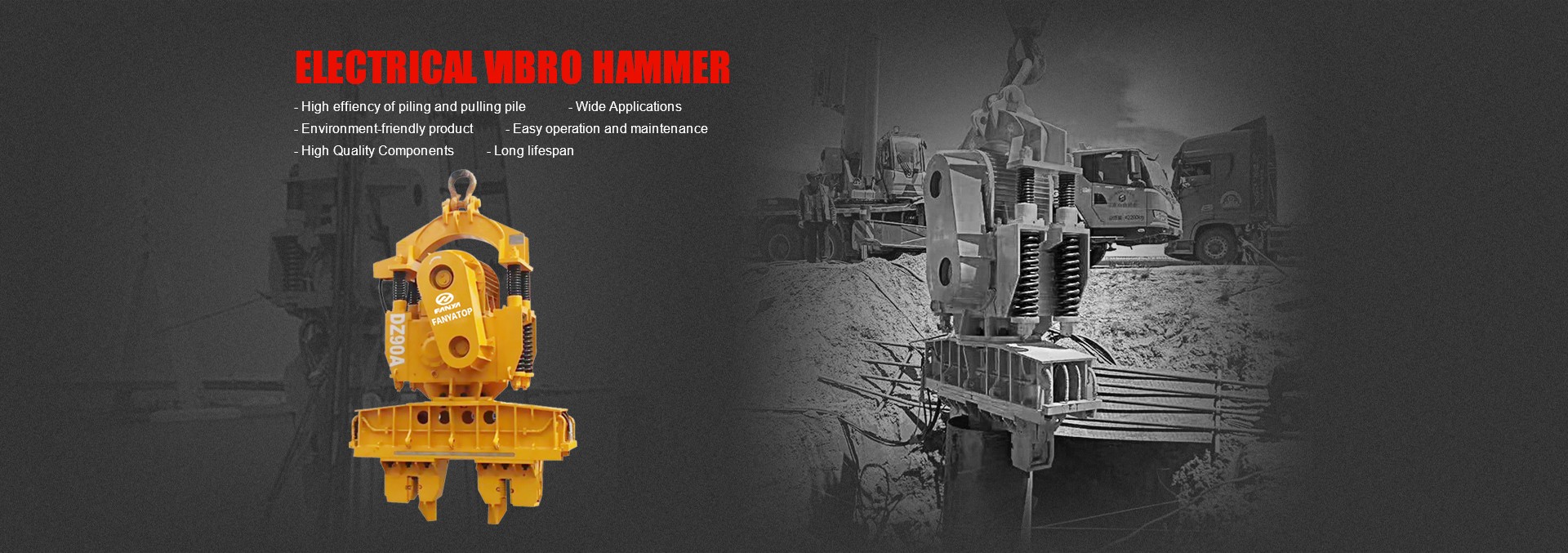
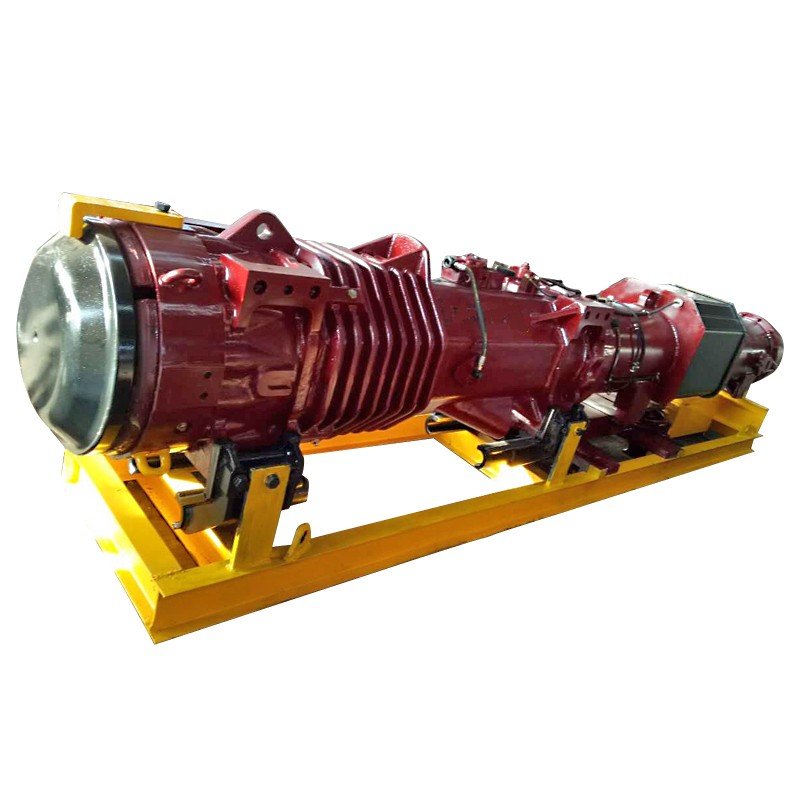
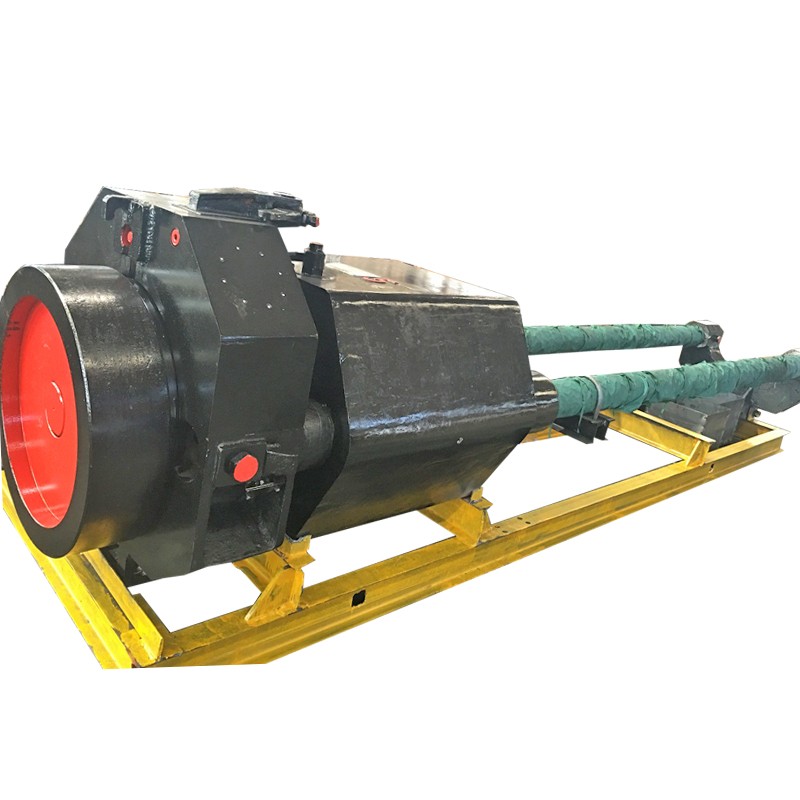
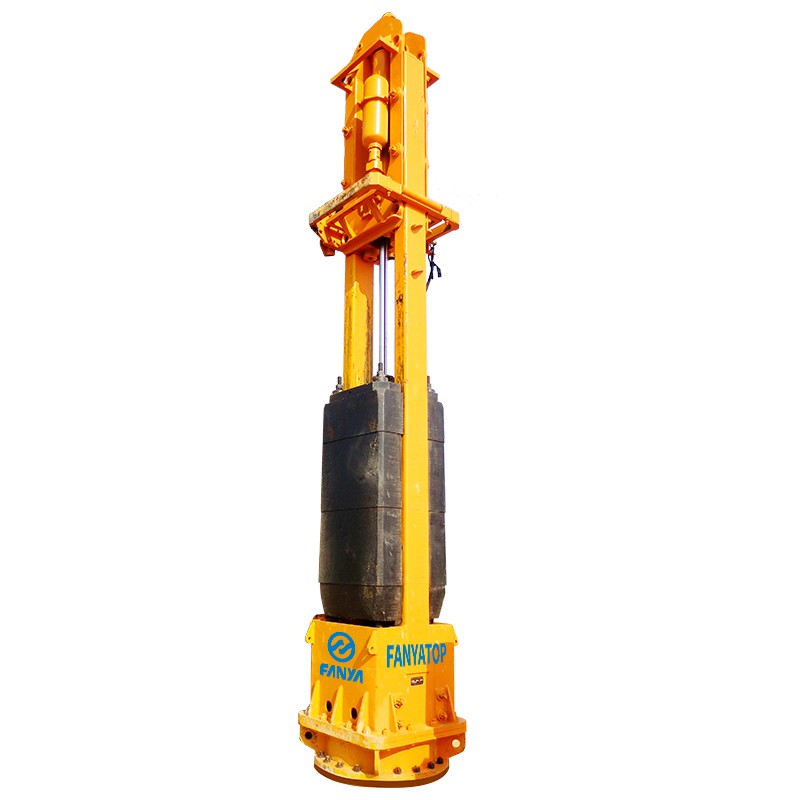
XUZHOU FANYA IMPORT&EXPORT CO.,LTD has developed advanced mini excavator pile hammers that tackle these issues head-on. For high costs and logistics, their systems attach to standard mini excavators (e.g., 1-8 ton models), eliminating the need for bulky cranes. This reduces equipment costs by up to 50% and allows rapid deployment in tight spaces, cutting setup time from days to hours. Their hydraulic hammers operate at 90-100 decibels and under 5 mm/s vibration, meeting strict EU standards like DIN 4150, thus avoiding regulatory pitfalls and enabling work in noise-sensitive environments without extra mitigation costs.
Client Success Stories: Real-World Impact
To illustrate the benefits, here are three fictional but plausible case studies:
1. Amsterdam, Netherlands: A contractor used XUZHOU FANYA’s mini pile hammer for a canal-side renovation. They achieved a 40% reduction in equipment costs and completed pile driving 25% faster than planned, installing 50 piles in three days instead of four. Client quote: “This system saved us €20,000 and kept the neighbors happy.”
2. Toronto, Canada: In a dense urban retrofit, the hammer allowed work within a 5-meter alley, avoiding street closures. Productivity increased by 30%, with zero noise complaints. Data: 100 piles installed at 15 minutes each vs. 20 minutes with traditional methods.
3. Sydney, Australia: For a coastal project with strict environmental rules, the low-vibration design prevented seabed disturbance. Cost savings totaled AUD 15,000, and the project finished two weeks ahead of schedule. Client quote: “It’s the eco-friendly choice that doesn’t compromise on power.”
Applications and Partnerships
Mini excavator pile hammers excel in diverse scenarios: residential foundations, utility pole installations, retaining walls, and small bridge supports. XUZHOU FANYA collaborates with global partners like procurement firms in Germany and engineering consultancies in the UK, ensuring their products meet ISO 9001 standards. These partnerships enhance reliability, with components sourced from trusted suppliers to guarantee durability in harsh conditions.
FAQ: Technical Insights for Engineers and Procurement Managers
1. Q: What’s the maximum pile diameter and depth these hammers can handle? A: They typically drive piles up to 300 mm in diameter and 10 meters deep, depending on soil conditions and excavator power. For example, in sandy soil, a 5-ton excavator can achieve 8 meters efficiently.
2. Q: How do they compare in energy efficiency to diesel hammers? A: Hydraulic mini hammers use 30-40% less fuel, as they leverage the excavator’s existing hydraulic system, reducing carbon footprint and operating costs.
3. Q: Are there maintenance challenges with compact designs? A: With fewer moving parts than traditional hammers, maintenance is simplified. XUZHOU FANYA’s models feature sealed bearings and easy-access points, cutting downtime by up to 20%.
4. Q: Can they operate in extreme temperatures? A: Yes, they’re tested from -20°C to 50°C, using specialized hydraulic fluids and robust seals to ensure performance in Nordic winters or Middle Eastern heat.
5. Q: What safety features are included? A: Standard features include overload protection, automatic shut-off, and anti-vibration handles, complying with OSHA and CE directives to protect operators.
Conclusion and Call to Action
Mini excavator pile hammers aren’t just a niche tool—they’re a strategic upgrade for tackling modern construction woes. By reducing costs, enhancing flexibility, and meeting environmental standards, they prove that smaller can indeed be smarter. If you’re an engineer or procurement professional looking to optimize your projects, don’t settle for outdated methods. Contact XUZHOU FANYA’s sales engineers today for a personalized consultation or download our detailed technical whitepaper to explore the specs and success metrics further. Let’s build smarter, together.