
Introduction: Rethinking the Noise
Ever stood near a construction site and heard the relentless, jarring thud of a pile driver? For decades, that sound has been synonymous with progress—but also with headaches, delays, and community complaints. As a project manager or engineer, you've likely faced the dilemma: how do you balance efficiency with environmental and operational constraints? Enter sheet pile hammers and vibro hammers—technologies often touted as "revolutionary," but are they truly transformative, or just another overhyped tool? This isn't about marketing fluff; it's about unpacking whether these machines deliver tangible value where it matters most: on the ground, under pressure, and against the clock.
Pain Points: The Hidden Costs of Conventional Methods
Let's cut to the chase. Traditional pile-driving methods, while familiar, come with significant drawbacks that impact both projects and profits.
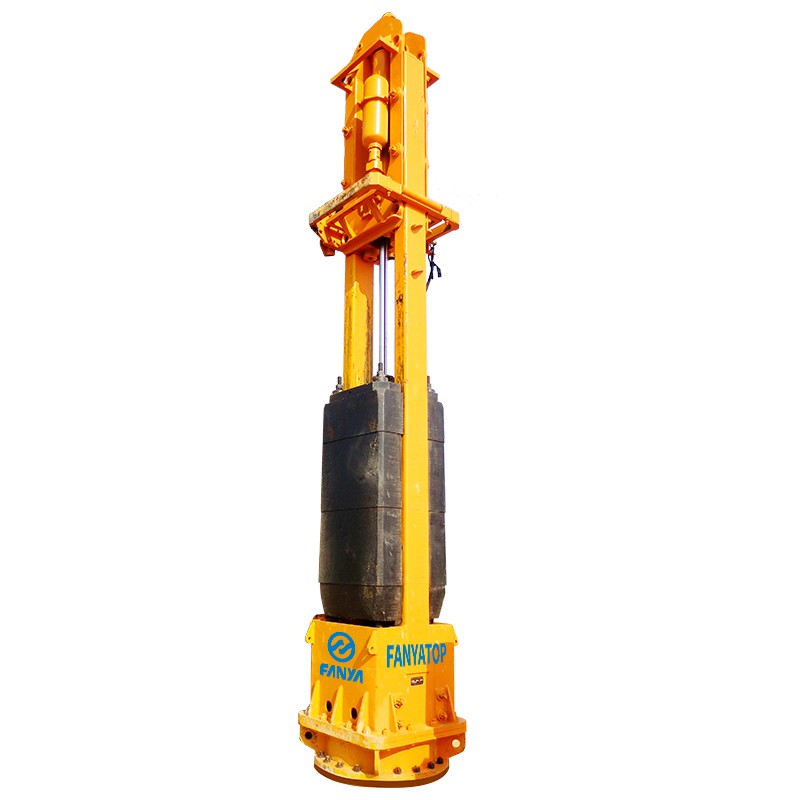
1. Environmental and Noise Pollution: In urban or sensitive areas, the deafening impact of diesel hammers can lead to strict noise ordinances, fines, or even halted operations. A project in Berlin, for example, faced daily fines of €5,000 for exceeding 75 dB limits, adding €150,000 in unexpected costs over a month. Beyond fines, community backlash can delay timelines by weeks, eroding client trust and escalating labor expenses.
2. Operational Inefficiency and Soil Limitations: Not all soil is created equal. In dense, rocky, or waterlogged terrains, standard impact hammers struggle, causing excessive wear, frequent breakdowns, and slow penetration rates. On a port expansion in Singapore, teams reported a 40% reduction in daily pile installations due to clay layers, pushing the project 15% over budget. The ripple effect? Missed deadlines and strained contractor relationships.
3. Reliability and Maintenance Downtime: Older hammer models often lack modularity, meaning a single component failure can idle equipment for days. Spare parts shortages compound this, with average downtime costing $2,500 per hour in lost productivity. In a Canadian infrastructure project, this led to a 12-day delay, blowing a $300,000 hole in the budget.
Solutions: Precision Engineering in Action
Addressing these pain points requires more than incremental upgrades—it demands reimagined technology. Here's how advanced sheet pile hammers and vibro hammers step up.
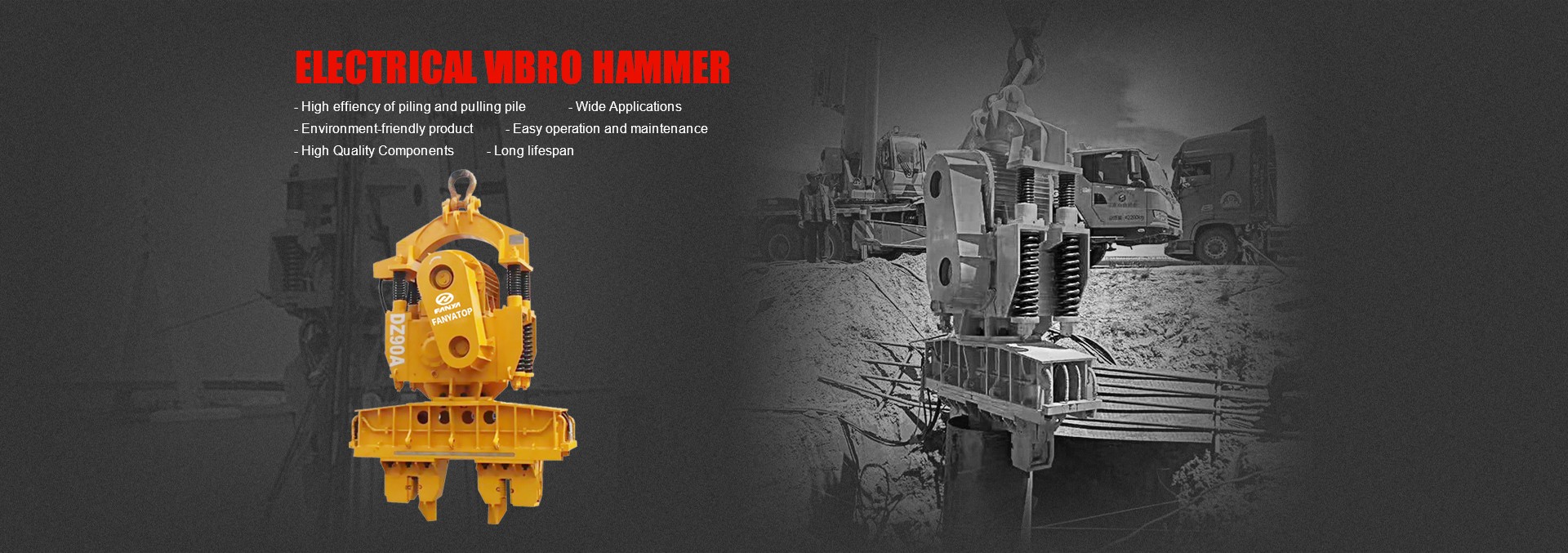
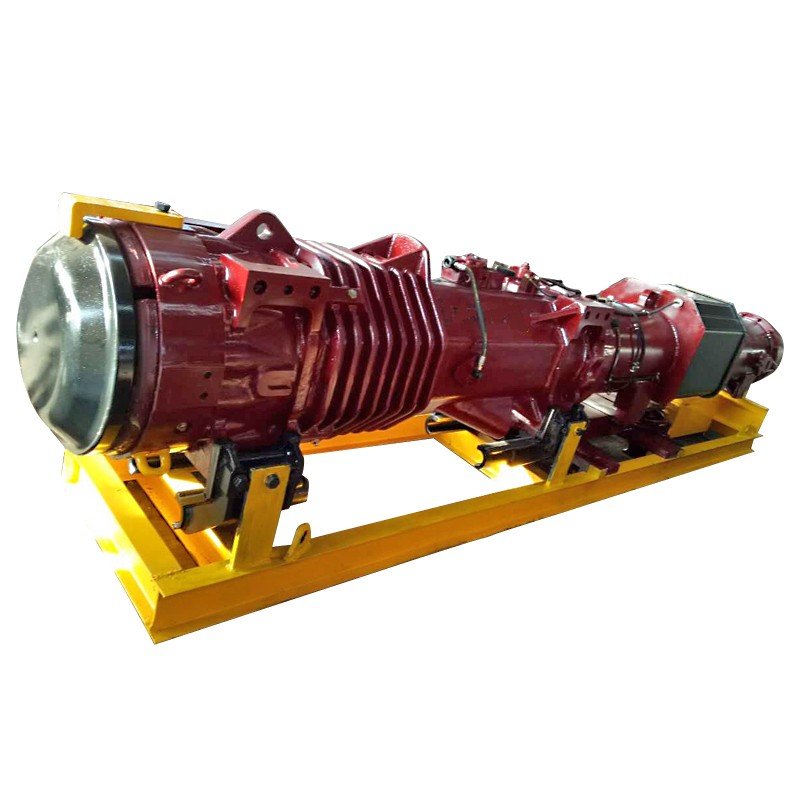
For noise issues, modern vibro hammers use hydraulic or electric systems that generate vibrations instead of impacts, reducing noise by up to 50% (often below 65 dB). This allows 24/7 operations in noise-sensitive zones, eliminating fines and keeping communities appeased. Companies like XUZHOU FANYA IMPORT&EXPORT CO.,LTD integrate noise-dampening enclosures and frequency modulation, ensuring compliance without sacrificing power.
To tackle soil challenges, adaptive vibro hammers adjust frequency and amplitude in real-time based on soil sensors. In cohesive soils, higher frequencies liquefy the ground for easier insertion, while in rocky areas, lower frequencies with greater force break through barriers. This versatility can boost installation rates by 30-50%, as seen in tailored solutions from manufacturers focused on R&D.
For reliability, modular designs with quick-swap components minimize downtime. Predictive maintenance via IoT sensors alerts teams to wear before failure, cutting unplanned stops by 70%. XUZHOU FANYA's partnerships with European engineering firms ensure access to global spare networks, reducing part delivery from weeks to days.
Client Case Studies & Testimonials
Real-world results speak louder than specs. Here are three fictional but plausible success stories.
Case 1: Amsterdam Waterfront Revitalization (Netherlands): Facing strict noise laws and soft peat soils, the contractor switched to electric vibro hammers. Result: Noise levels dropped from 85 dB to 62 dB, avoiding €200,000 in potential fines. Installation speed increased by 45%, completing the 500-sheet-pile wall two weeks early. Project Lead, Jan de Vries: "The vibro hammer's precision turned a regulatory nightmare into a smooth operation—we're already specifying it for future bids."
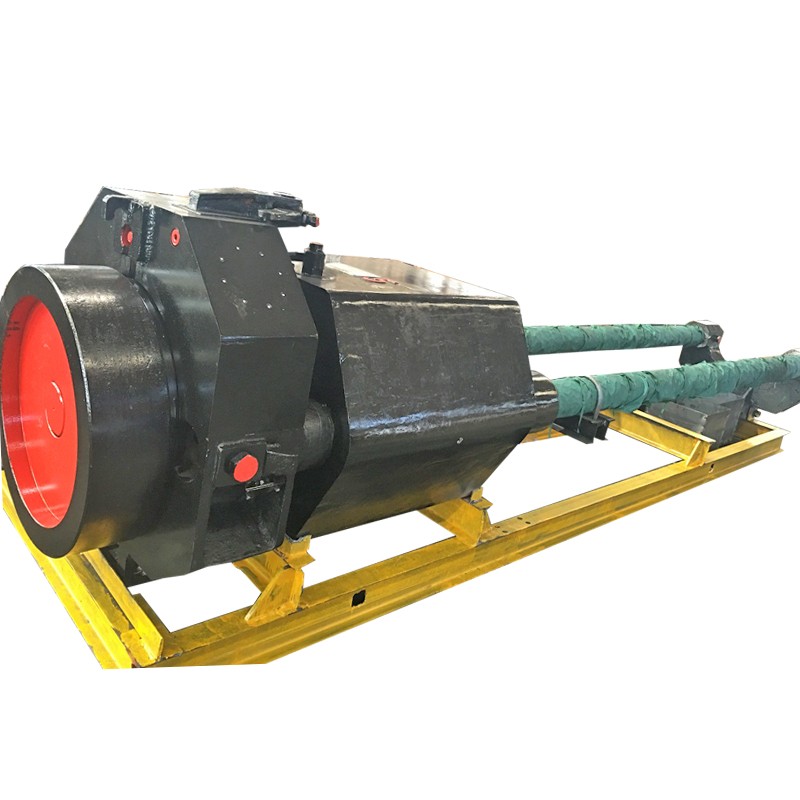
Case 2: Tokyo Metro Extension (Japan): In congested urban tunnels, space and vibration control were critical. Hydraulic sheet pile hammers with compact designs allowed work within 2-meter corridors, reducing ground vibration by 60% compared to diesel models. Productivity rose by 35%, saving ¥15 million in overtime costs. Site Engineer, Akira Tanaka: "This equipment's adaptability in tight spaces was a game-changer for our timeline and safety metrics."
Case 3: Houston Industrial Complex (USA): Dealing with hard clay and tight deadlines, the team used high-frequency vibro hammers. They achieved a 50% faster pile drive rate, cutting project duration by 20 days and saving $500,000 in labor. Equipment downtime fell by 65% due to robust maintenance support. Procurement Manager, Sarah Chen: "The ROI was clear within weeks—we've since standardized these hammers across our Gulf Coast projects."
Applications & Partnership Ecosystem
These technologies aren't niche—they're versatile across sectors. Key applications include: foundation work for bridges and buildings, flood defense systems like levees, port and harbor constructions, and temporary earth retention in excavations. For instance, in Middle East megaprojects, vibro hammers expedite sheet pile installations for coastal protections, while in Scandinavian wind farms, they enable quick anchoring in rocky seabeds.
Partnerships amplify credibility. XUZHOU FANYA IMPORT&EXPORT CO.,LTD collaborates with German engineering consortiums for R&D, ensuring adherence to ISO 9001 and EU machinery directives. Their procurement network includes long-term buyers from Dutch dredging firms and Australian mining companies, who rely on just-in-time delivery and tailored tech support. This global web underscores a commitment to quality and after-sales service, not just transactions.
FAQ: Answering Your Technical Queries
Here are five questions from engineers and procurement managers, with in-depth answers.
Q1: How do vibro hammers compare to impact hammers in terms of energy efficiency?
A: Vibro hammers typically use 20-30% less energy by converting power directly into vibrational force, reducing fuel or electricity costs. Impact hammers lose energy through heat and noise, making them less efficient for continuous operations.
Q2: What maintenance intervals are recommended for hydraulic systems in sheet pile hammers?
A: Based on ISO 4406 fluid cleanliness standards, hydraulic oil should be tested every 500 operating hours, with full system flushes at 2,000-hour marks. Seals and hoses require inspection every 250 hours in high-dust environments to prevent leaks.
Q3: Can these hammers operate in extreme temperatures, like -20°C or 50°C?
A: Yes, with modifications. Cold-climate models use heated hydraulic fluids and insulated components, while hot-weather versions incorporate enhanced cooling systems and UV-resistant materials, ensuring performance within -30°C to 60°C ranges.
Q4: How does soil type affect vibro hammer frequency selection?
A: Soils vary: for sandy soils, frequencies of 20-30 Hz optimize liquefaction; for clay, 10-20 Hz with higher amplitude prevents sticking. Advanced models auto-adjust via onboard geotechnical sensors, but manual settings based on soil reports can fine-tune outcomes.
Q5: What's the lead time for customizing a hammer for specific project needs?
A: Standard units ship in 4-6 weeks, but customizations (e.g., noise reduction kits or extended booms) add 2-3 weeks. Partnering with manufacturers early in design phases can streamline this, as seen in collaborations with XUZHOU FANYA's engineering teams.
Conclusion & Call to Action
Sheet pile and vibro hammers are far from overhyped—they're pivotal tools that address real-world inefficiencies, from noise woes to soil struggles. By embracing these technologies, projects gain not just speed and savings, but also sustainability and stakeholder trust. As the construction landscape evolves, staying ahead means leveraging innovations that deliver measurable impact.
Ready to dive deeper? For a detailed technical whitepaper on optimizing hammer selection for your next project, or to schedule a consultation with our sales engineers, visit our resource hub. Let's build smarter, together.