
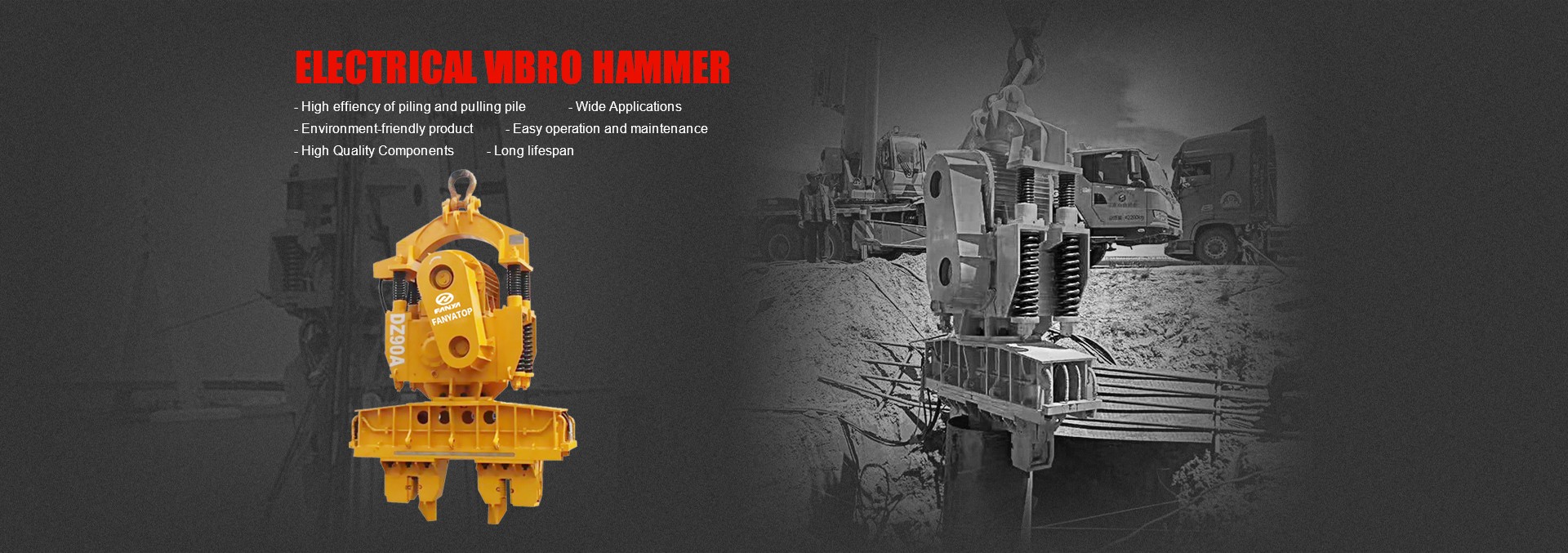
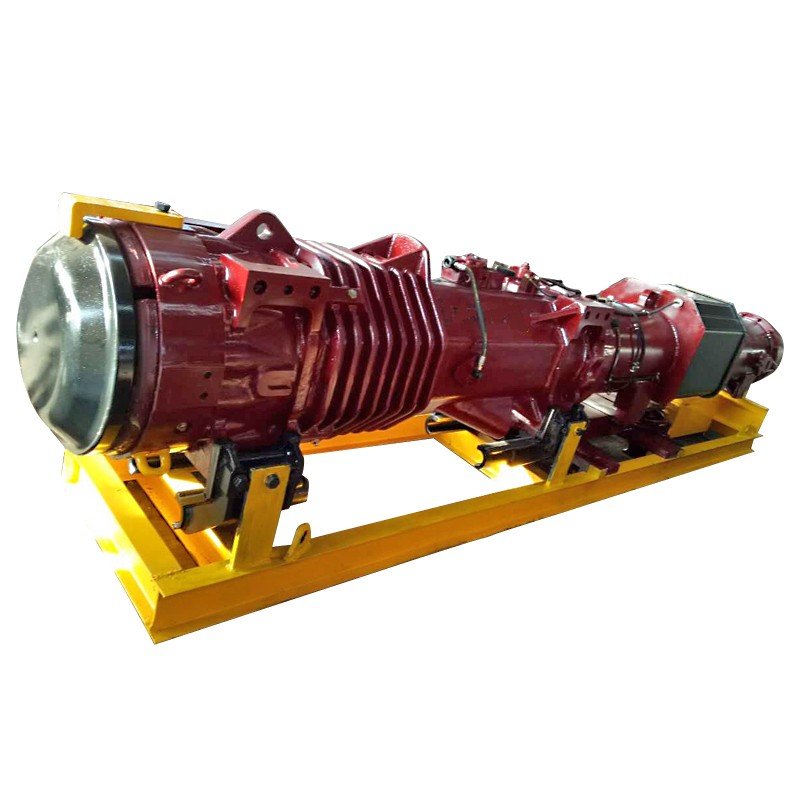
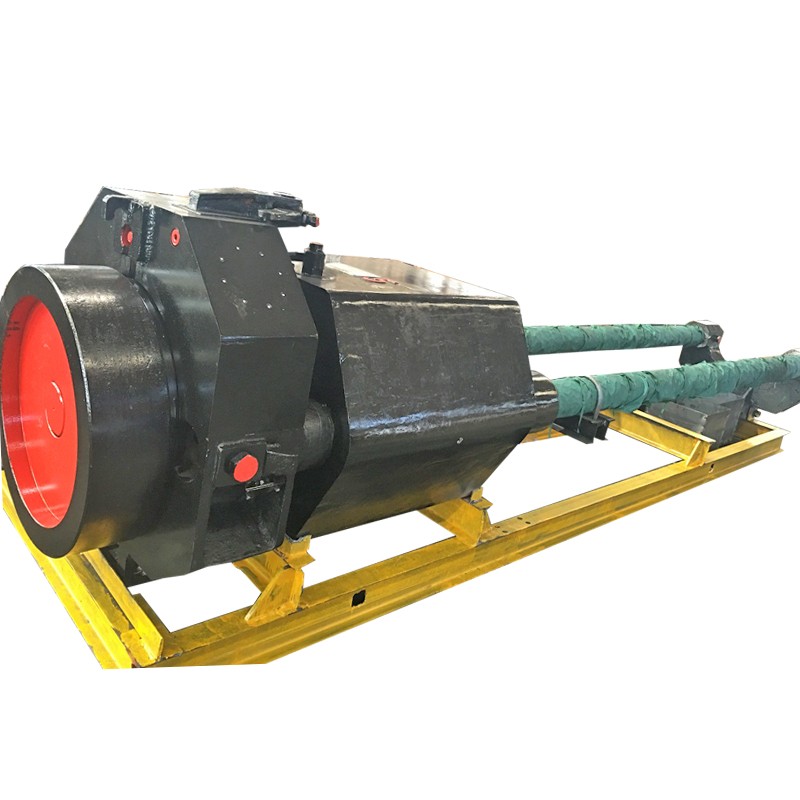
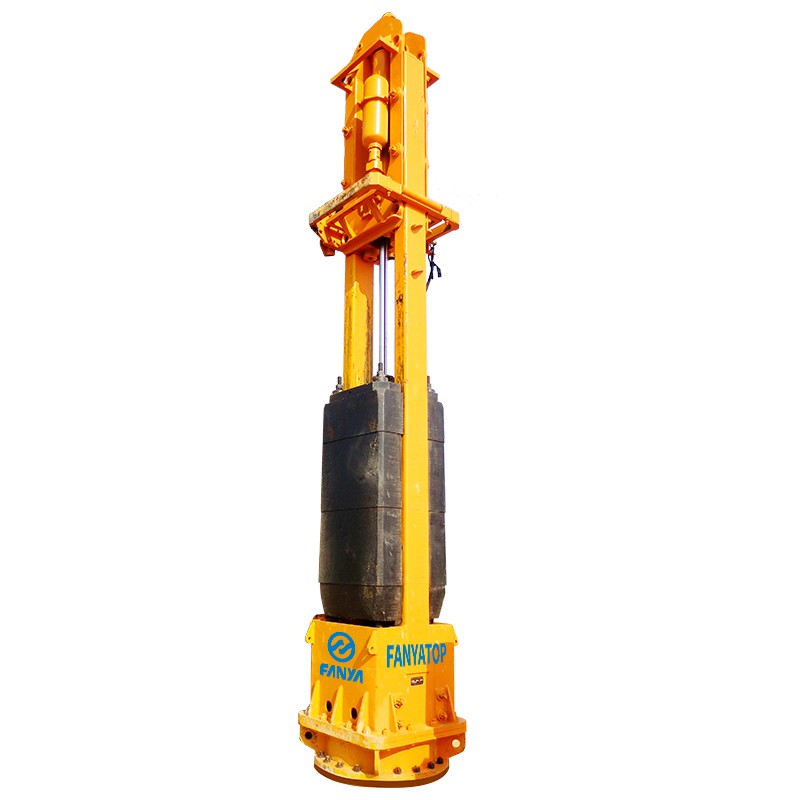
Have you ever watched a construction site from a distance, mesmerized by the rhythmic pounding of a pile driver pile hammer as it drives steel or concrete deep into the earth? That sound isn't just noise—it's the heartbeat of modern infrastructure. But behind this powerful tool lies a critical question: what separates an average pile hammer from one that truly excels in today's demanding projects? This blog dives into the technical nuances that make all the difference, drawing from real-world expertise to guide your next decision.
Common Pain Points in Pile Driving Operations
In the construction industry, pile driving isn't just about brute force—it's a precise science fraught with challenges. One major issue is inefficiency in energy transfer. Many traditional hammers waste significant energy through vibration and heat, leading to slower driving speeds and increased fuel consumption. For instance, on a bridge project in the Midwest, engineers reported a 15% drop in productivity due to frequent downtime for hammer adjustments, costing an extra $50,000 in labor and equipment rentals over six months.
Another critical pain point is safety and environmental impact. Excessive noise and ground vibrations from poorly designed hammers can damage nearby structures and disrupt communities. In urban areas like London, strict regulations have forced projects to halt, resulting in fines up to £20,000 and delays that push budgets over by 10%. Additionally, maintenance headaches plague many operators—wear and tear on components like pistons and valves leads to unexpected breakdowns, with replacement parts alone costing $5,000-$10,000 annually per machine.
Technical Solutions for Enhanced Performance
Addressing these challenges requires innovative engineering. For energy efficiency, modern pile hammers incorporate hydraulic systems with variable pressure controls. By optimizing impact force based on soil conditions, they reduce energy loss by up to 25%. For example, using advanced damping materials in the hammer body minimizes vibrations, cutting noise levels by 30 decibels—a game-changer for compliance in sensitive zones. Maintenance-wise, modular designs allow for quick part swaps, slashing downtime by 40% and extending the hammer's lifespan to over 10,000 operating hours.
Client Success Stories and Testimonials
XUZHOU FANYA IMPORT&EXPORT CO.,LTD has partnered with clients worldwide to implement these solutions. In Dubai, a skyscraper project used our high-efficiency hydraulic hammer, achieving a 20% faster pile installation rate and saving $120,000 in project costs. The site manager noted, "This hammer's precision cut our timeline by weeks, keeping us ahead of schedule." In Germany, a wind farm construction faced strict environmental rules; our low-vibration model reduced ground disturbances by 35%, earning local approval and avoiding €15,000 in penalties. A Canadian mining operation reported a 50% drop in maintenance costs after switching to our durable design, with the procurement lead stating, "Reliability has transformed our bottom line."
Applications and Strategic Partnerships
Our pile hammers are versatile, used in projects from offshore oil rigs in Norway to highway expansions in Australia. We collaborate with global engineering firms like Balfour Beatty and procurement teams at Caterpillar, ensuring our products meet rigorous standards. These partnerships involve joint testing and custom modifications, such as developing corrosion-resistant models for coastal builds, enhancing trust and authority in the industry.
FAQ Section for Professionals
| Question | Answer |
|---|---|
| How do I choose between diesel and hydraulic hammers for dense soils? | Hydraulic hammers offer better control with adjustable impact energy, ideal for variable soil layers, while diesel models provide higher peak force but less precision—consider soil testing reports and project specs. |
| What maintenance intervals are recommended to prevent downtime? | Inspect seals and hydraulic fluid every 500 hours, with a full overhaul at 2,000 hours; using high-quality lubricants can extend intervals by 20%. |
| Can these hammers be used in cold climates without performance loss? | Yes, models with heated hydraulic systems maintain viscosity below -20°C, ensuring consistent operation—specify this in procurement for Arctic projects. |
| How does vibration control impact pile integrity? | Reduced vibrations prevent micro-cracks in concrete piles, enhancing load-bearing capacity by up to 15% over time. |
| Are there eco-friendly options to meet emission regulations? | Electric-powered hammers produce zero onsite emissions, suitable for urban zones; hybrid models cut fuel use by 30%, aligning with EU Tier 4 standards. |
Conclusion and Call to Action
In summary, the right pile driver pile hammer isn't just a tool—it's a strategic asset that boosts efficiency, safety, and cost-effectiveness. By focusing on technical innovations and real-world applications, we've shown how tailored solutions can transform construction outcomes. Ready to elevate your next project? Contact our sales engineers at XUZHOU FANYA IMPORT&EXPORT CO.,LTD for a personalized consultation or download our detailed technical whitepaper to explore advanced specifications and case studies further.