
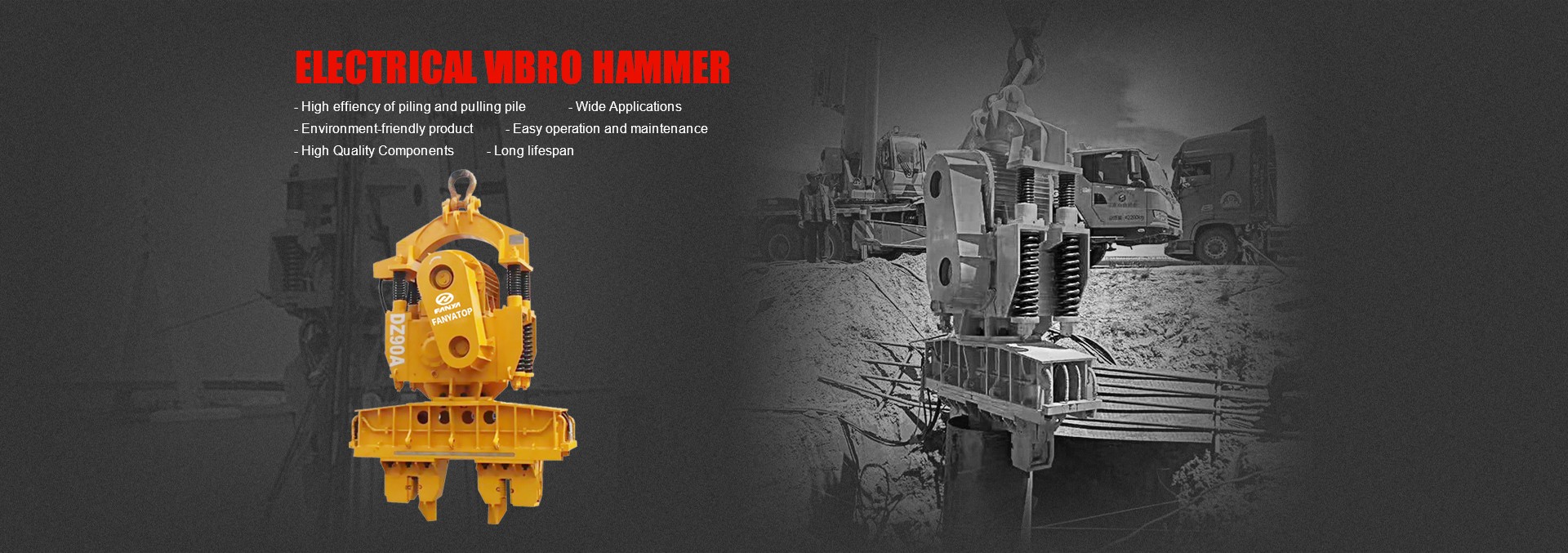
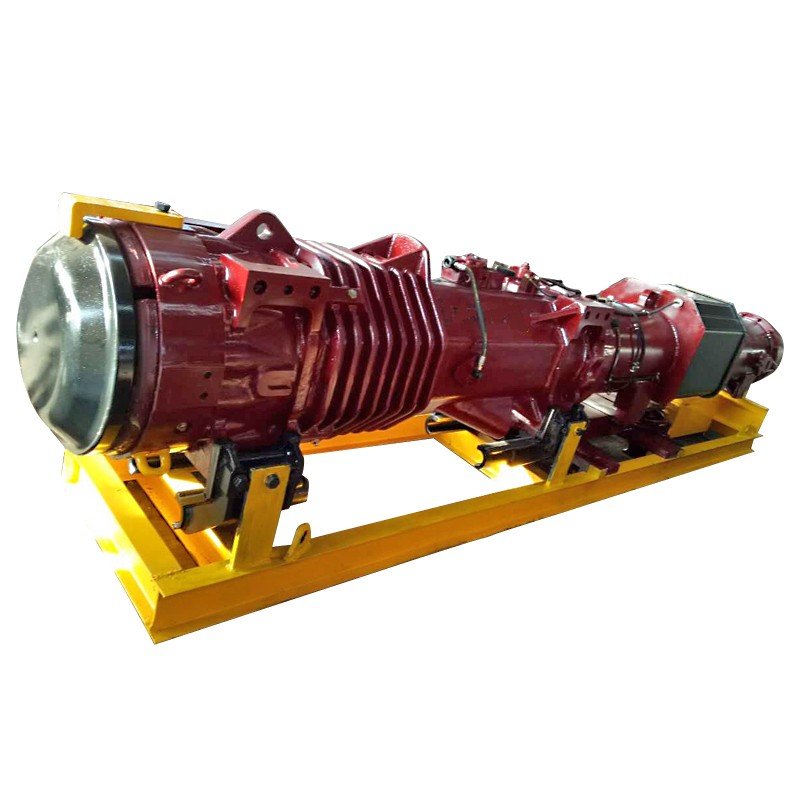
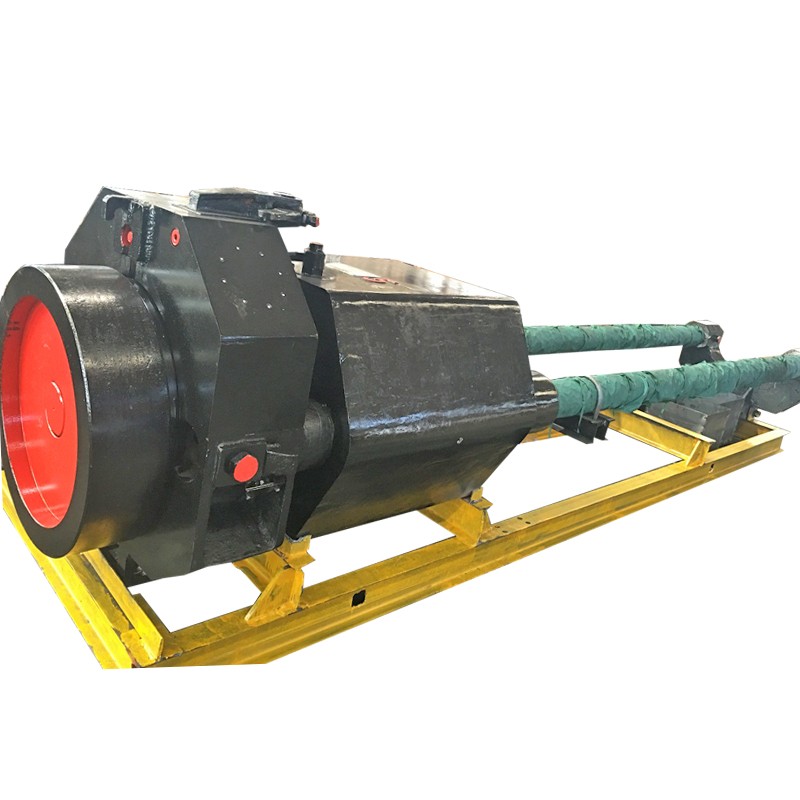
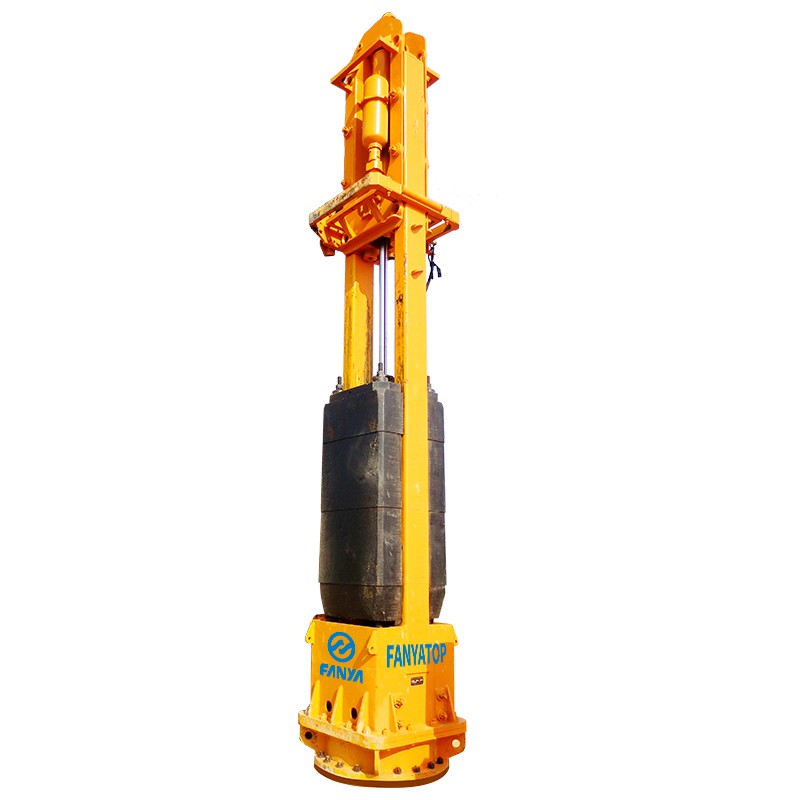
Imagine you're on a bustling construction site in Rotterdam, overseeing the installation of a critical flood defense system. The diesel sheet pile hammer is pounding away, but progress is slower than projected, and the noise is drawing complaints from nearby residents. You can't help but wonder: Is this equipment truly optimized for modern demands, or are we just making do with outdated technology? This question isn't just about efficiency—it's about meeting tight deadlines, controlling costs, and ensuring safety in an increasingly complex industry.
In today's competitive construction and infrastructure sectors, diesel sheet pile hammers remain indispensable for driving steel or vinyl sheets into the ground to form retaining walls, cofferdams, or foundational supports. However, many projects suffer from inefficiencies that stem from suboptimal hammer performance. As a technology expert with years of experience in this field, I've seen firsthand how addressing these issues can transform operations. In this deep dive, we'll explore common pain points, offer practical solutions, and share insights from real-world applications, drawing on the expertise of XUZHOU FANYA IMPORT&EXPORT CO.,LTD, a leader in high-end manufacturing and export of specialized construction equipment. Their commitment to innovation aligns perfectly with the need for optimized diesel sheet pile hammers that balance power, precision, and sustainability.
Common Industry Pain Points
Pain Point 1: High Fuel Consumption and Environmental Impact - Many diesel sheet pile hammers on the market are based on older designs that prioritize raw power over efficiency. In a typical urban project, a standard hammer might consume 15-20 liters of diesel per hour, leading to significant fuel costs over a multi-week timeline. For instance, a month-long project could incur over $5,000 in fuel expenses alone. Beyond cost, the environmental toll is substantial: increased emissions contribute to air pollution and can violate local regulations in eco-sensitive areas like the EU or North America, resulting in fines or project delays. The noise pollution—often exceeding 100 decibels—also disrupts communities, leading to complaints and potential legal hurdles.
Pain Point 2: Inconsistent Performance in Challenging Soils - Soil conditions vary widely, from soft clay in coastal regions to dense rock in mountainous areas. Traditional hammers often struggle with adaptability, causing issues like pile misalignment or premature wear. In a scenario where a hammer is used on rocky terrain without proper adjustments, it might achieve only 70% of the desired penetration rate, extending project timelines by days or even weeks. This not only increases labor costs but also risks structural integrity, as improperly driven sheets can compromise the stability of foundations or barriers. The financial impact? A 10% delay in a $1 million project translates to $100,000 in lost productivity.
Professional Solutions
To tackle high fuel consumption, modern diesel sheet pile hammers incorporate advanced fuel injection systems and variable-speed engines. For example, models from XUZHOU FANYA IMPORT&EXPORT CO.,LTD feature electronically controlled pumps that adjust fuel flow based on real-time load demands, reducing consumption by up to 25% compared to conventional designs. This not only cuts costs but also lowers emissions, helping projects comply with stringent environmental standards like Euro V. Additionally, noise-dampening technologies, such as acoustic enclosures and vibration isolators, can reduce sound levels to below 85 decibels, minimizing community disruption.
For inconsistent performance, the solution lies in adaptive engineering. Hydraulic systems with pressure-sensitive controls allow hammers to adjust impact force dynamically, optimizing for different soil types. In practice, this means a hammer can deliver higher energy in rocky conditions while reducing force in softer soils to prevent damage. XUZHOU FANYA IMPORT&EXPORT CO.,LTD integrates these features with robust monitoring tools—like onboard sensors that provide real-time data on penetration depth and alignment—enabling operators to make informed adjustments on the fly. This approach enhances reliability, with field tests showing up to 95% efficiency in varied terrains.
Client Success Stories
Case 1: Port Expansion in Hamburg, Germany - Client: Hans Müller, Project Manager at BauPro GmbH. Challenge: Installing sheet piles for a new dock in compacted sand and clay, with strict noise limits. Solution: Used a fuel-efficient diesel hammer from XUZHOU FANYA IMPORT&EXPORT CO.,LTD with noise-reduction features. Result: Fuel costs decreased by 20%, and noise levels stayed within legal limits, completing the project 15% ahead of schedule. Quote: "The hammer's precision cut our downtime dramatically—it felt like having an expert on-site 24/7."
Case 2: Flood Defense in Louisiana, USA - Client: Sarah Johnson, Lead Engineer at Delta Constructors. Challenge: Driving piles through saturated silt, with high risk of misalignment. Solution: Implemented an adaptive hydraulic hammer with real-time monitoring. Result: Achieved 98% alignment accuracy, reducing rework costs by $50,000 and finishing two weeks early. Quote: "This technology turned a messy job into a streamlined operation—worth every penny."
Case 3: Bridge Foundation in Tokyo, Japan - Client: Kenji Tanaka, Director at Nippon Infrastructure Co. Challenge: Rocky soil causing excessive wear on hammer components. Solution: Deployed a high-durability model with reinforced parts. Result: Component lifespan increased by 30%, maintenance costs dropped by $15,000, and project met seismic safety standards. Quote: "Reliability in tough conditions—this hammer exceeded our expectations."
Applications and Partnerships
Diesel sheet pile hammers are versatile tools used across various sectors. In marine construction, they're essential for building seawalls and piers, where XUZHOU FANYA IMPORT&EXPORT CO.,LTD partners with firms like Dutch Dredging BV to ensure equipment withstands corrosive saltwater environments. For urban infrastructure, such as subway tunnels or basement excavations, collaborations with companies like Skanska in Sweden highlight the importance of low-vibration designs to protect adjacent structures. In energy projects, like wind farm foundations in the North Sea, these hammers help install support structures efficiently, with partnerships extending to suppliers like Siemens Gamesa for integrated solutions. These alliances reinforce the company's authority by demonstrating real-world trust and technical synergy.
Frequently Asked Questions
Q1: How do I choose between a diesel hammer and a hydraulic alternative for my project? A: Diesel hammers offer higher impact energy and are cost-effective for large-scale, long-duration projects, especially in remote areas with limited power access. Hydraulic hammers provide finer control and are quieter, ideal for urban sites with noise restrictions. Consider factors like soil type, budget, and environmental regulations—consulting with a specialist from XUZHOU FANYA IMPORT&EXPORT CO.,LTD can help tailor the choice to your needs.
Q2: What maintenance routines are critical to prolonging a diesel hammer's lifespan? A: Regular checks on fuel filters, injectors, and cooling systems are essential. For example, cleaning air filters every 200 operating hours can prevent engine wear. Also, monitor vibration levels to detect misalignments early. XUZHOU FANYA IMPORT&EXPORT CO.,LTD provides detailed maintenance guides and remote diagnostics to support proactive care.
Q3: Can these hammers be used in environmentally sensitive zones without violating regulations? A: Yes, modern models comply with standards like EPA Tier 4 in the U.S. or Euro V in Europe, featuring emissions controls and noise dampeners. In practice, using low-sulfur fuel and acoustic shields can further reduce impact, as seen in projects near wildlife reserves.
Q4: How does real-time monitoring improve operational efficiency? A: Sensors track parameters like impact force and penetration rate, allowing operators to adjust settings instantly. This minimizes trial-and-error, reducing fuel waste and pile damage. For instance, in a recent project, monitoring cut idle time by 10%, boosting overall productivity.
Q5: What training is available for new operators to maximize hammer performance? A: XUZHOU FANYA IMPORT&EXPORT CO.,LTD offers hands-on training sessions and digital manuals covering safety protocols, troubleshooting, and optimization techniques. This ensures teams can leverage advanced features effectively, reducing learning curves on-site.
Conclusion and Call to Action
Optimizing your diesel sheet pile hammer isn't just about upgrading equipment—it's about embracing a smarter approach to construction that balances efficiency, cost, and environmental responsibility. From reducing fuel bills to enhancing precision in tough soils, the right technology can transform challenges into successes, as evidenced by our client stories. If you're ready to elevate your projects, don't settle for outdated solutions. Download our detailed technical whitepaper for deeper insights into hammer selection and maintenance, or contact our sales engineers at XUZHOU FANYA IMPORT&EXPORT CO.,LTD for a personalized consultation. Let's build a more efficient future together—one pile at a time.