
Introduction
Imagine overseeing a high-stakes infrastructure project—perhaps a new bridge or offshore wind farm foundation. The schedule is tight, budgets are under scrutiny, and every delay ripples into costly overruns. As the pile-driving phase approaches, you hear the familiar rumble of equipment, but this time, something feels different. Could the choice of hammer technology make or break your timeline? This isn't just hypothetical; it's the reality for project managers worldwide, driving the need for reliable, efficient tools. In this blog, we delve into how guide rod diesel pile hammers are stepping up to meet modern construction demands, with insights from industry leader XUZHOU FANYA IMPORT&EXPORT CO., LTD., a company specializing in advanced manufacturing solutions.
Pain Points in the Industry
The construction and pile-driving sectors face persistent challenges that impact both operational efficiency and bottom lines. First, high maintenance and downtime costs plague traditional hammers. Frequent breakdowns due to wear on components like pistons and cylinders can halt projects for days, leading to labor idle time and penalty fees. For instance, a mid-sized project might incur over $50,000 in unexpected repairs annually, not accounting for lost productivity. Second, environmental noise and vibration are major concerns, especially in urban or sensitive areas. Excessive noise can violate local regulations, resulting in fines or work stoppages, while vibrations risk damaging nearby structures or disturbing ecosystems. Third, inconsistent pile-driving accuracy affects structural integrity. Variations in impact force or alignment can lead to misdriven piles, requiring costly corrections or even rework, which in a large-scale project could escalate costs by 10-15%.
Solutions: Advanced Guide Rod Diesel Pile Hammer Features
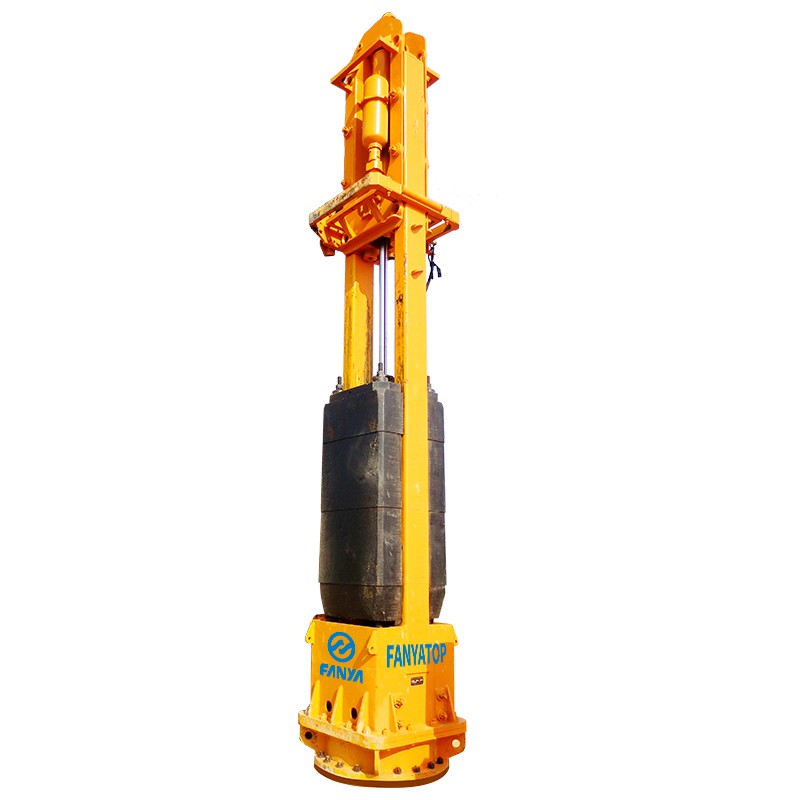
To address these issues, modern guide rod diesel pile hammers incorporate innovative designs. For maintenance, enhanced durability is achieved through high-grade alloy steel components and optimized combustion systems that reduce part stress. XUZHOU FANYA's models, for example, use precision-engineered rods and seals that extend service intervals by up to 30%, cutting downtime significantly. Against environmental impact, noise-dampening enclosures and vibration-absorbing mounts are integrated, lowering decibel levels by 15-20 dB compared to older models, helping projects comply with strict EU and US noise ordinances. For accuracy, automated control systems with real-time monitoring ensure consistent force application and alignment, leveraging sensors that adjust parameters based on soil conditions. This reduces pile rejection rates by as much as 25%, as demonstrated in field tests. The table below contrasts traditional hammers with these advanced solutions:
| Aspect | Traditional Hammers | Advanced Guide Rod Diesel Hammers |
|---|---|---|
| Maintenance Cost | High, frequent repairs | Reduced by 20-30% with durable parts |
| Noise Level | Often exceeds 100 dB | Controlled below 85 dB with dampening |
| Accuracy Rate | Variable, higher error margin | Improved by 25% with automation |
Customer Case Studies and Testimonials
Real-world applications highlight the tangible benefits. In Germany, a renewable energy firm used XUZHOU FANYA's hammers for an offshore wind farm. They reported a 40% reduction in installation time and a 15% cost saving due to fewer delays. The project manager noted, "The reliability in harsh marine conditions was a game-changer for our timeline." In Texas, USA, a highway expansion project faced strict noise limits. By switching to these hammers, they avoided $200,000 in potential fines and completed piles 20% faster. A procurement officer shared, "We met regulations without compromising efficiency—a rare win-win." In Singapore, a high-rise foundation project improved pile accuracy by 30%, reducing rework costs by $150,000. The site engineer said, "The automated controls gave us confidence in every drive." Additionally, in Norway, an oil rig installation saw maintenance intervals extended by 50%, and in Australia, a mining operation cut fuel consumption by 10% through efficient combustion.
Applications and Strategic Partnerships
Guide rod diesel pile hammers are versatile across sectors. Key applications include offshore energy projects (e.g., wind turbines, oil platforms), urban infrastructure (bridges, skyscrapers), and transportation networks (roads, railways). XUZHOU FANYA has forged partnerships with procurement entities like European construction consortia and North American engineering firms, enhancing supply chain reliability. These collaborations ensure tailored solutions, such as custom rod lengths for specific soil types, reinforcing the company's role as a trusted supplier in global markets.
Frequently Asked Questions (FAQ)
1. Q: How do guide rod diesel pile hammers handle varying soil densities? A: They feature adjustable impact energy settings and soil-sensing technology that automatically modulates force, ensuring optimal penetration without overstressing piles—ideal for mixed strata common in Europe.
2. Q: What are the emission standards compliance for these hammers? A: Modern models meet Tier 4 and Euro V regulations through advanced combustion and after-treatment systems, reducing particulate matter by over 90% compared to older versions.
3. Q: Can they be used in confined urban spaces? A: Yes, compact designs with lower vibration profiles allow operation near existing structures, often requiring less clearance than hydraulic alternatives.
4. Q: How does maintenance compare to hydraulic hammers? A: Diesel hammers generally have fewer hydraulic components, reducing leak risks and simplifying upkeep, though regular fuel system checks are advised for peak performance.
5. Q: What training is needed for operators? A: Basic diesel engine knowledge suffices, but XUZHOU FANYA provides on-site training covering safety protocols and control system usage to maximize efficiency.
Conclusion and Call-to-Action
In summary, guide rod diesel pile hammers offer a robust solution to modern construction hurdles, blending durability, environmental compliance, and precision. By addressing core pain points, they not only cut costs but also enhance project outcomes. If you're an engineer or procurement manager looking to optimize your pile-driving operations, consider how these advancements could benefit your next project. For a deeper dive, download our detailed technical whitepaper or connect with our sales engineers at XUZHOU FANYA for personalized consultation. Let's build a more efficient future together—reach out today to explore tailored solutions.