
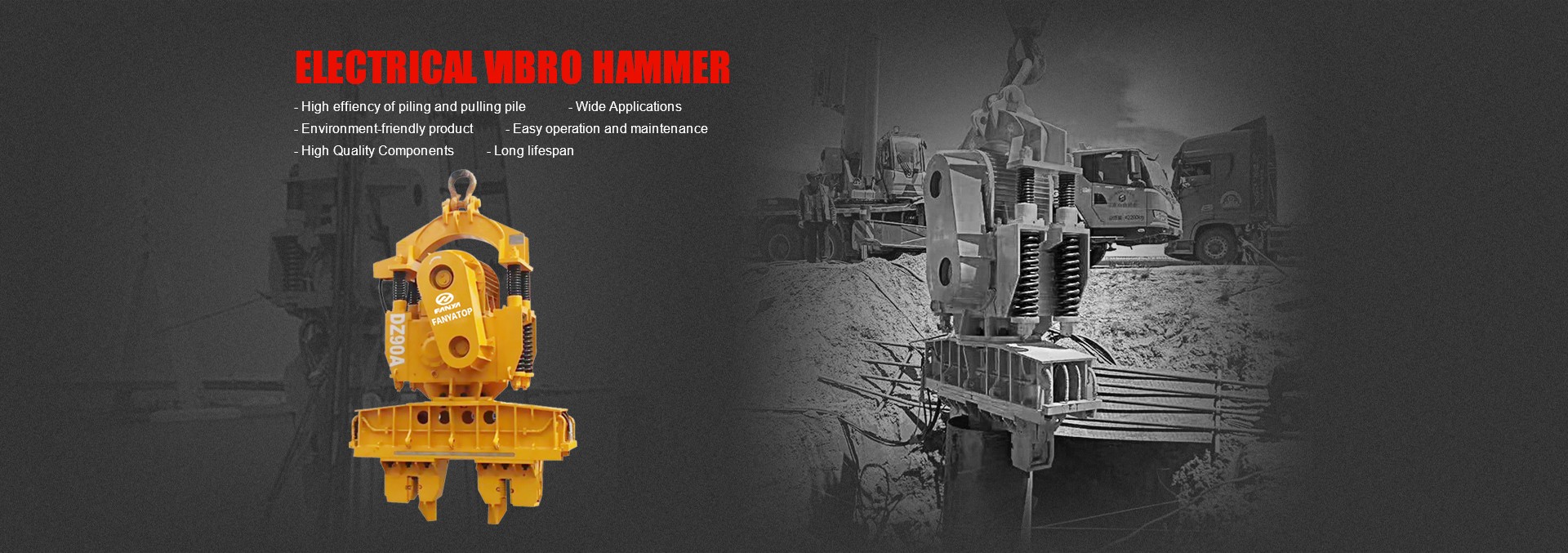
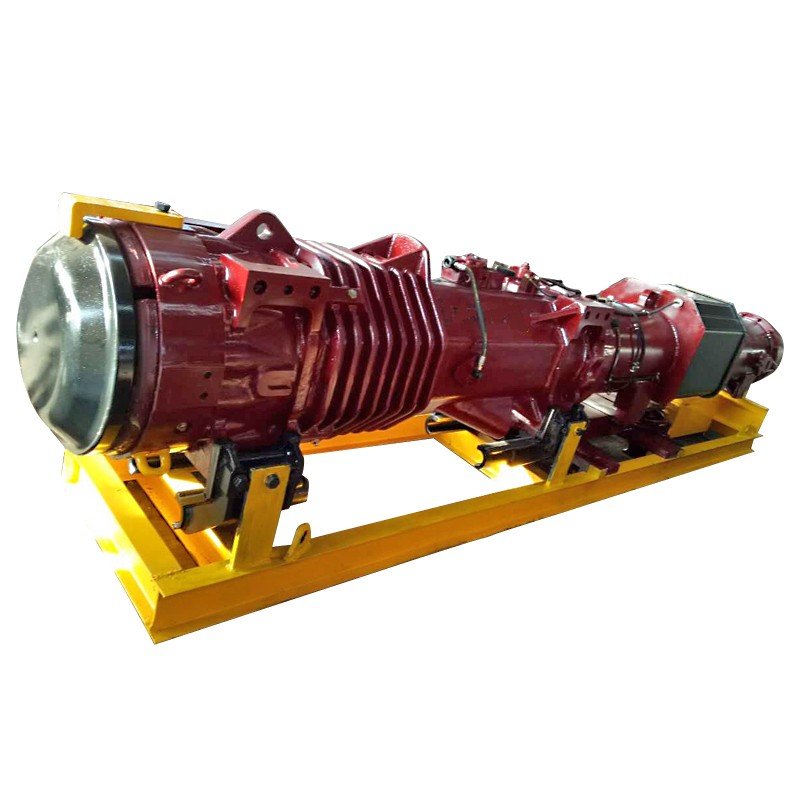
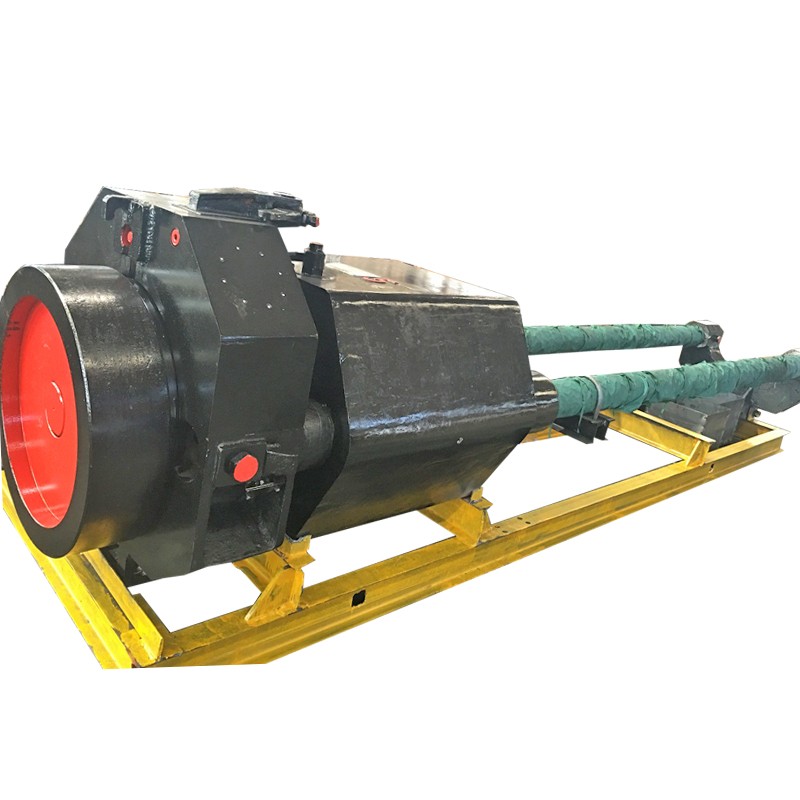
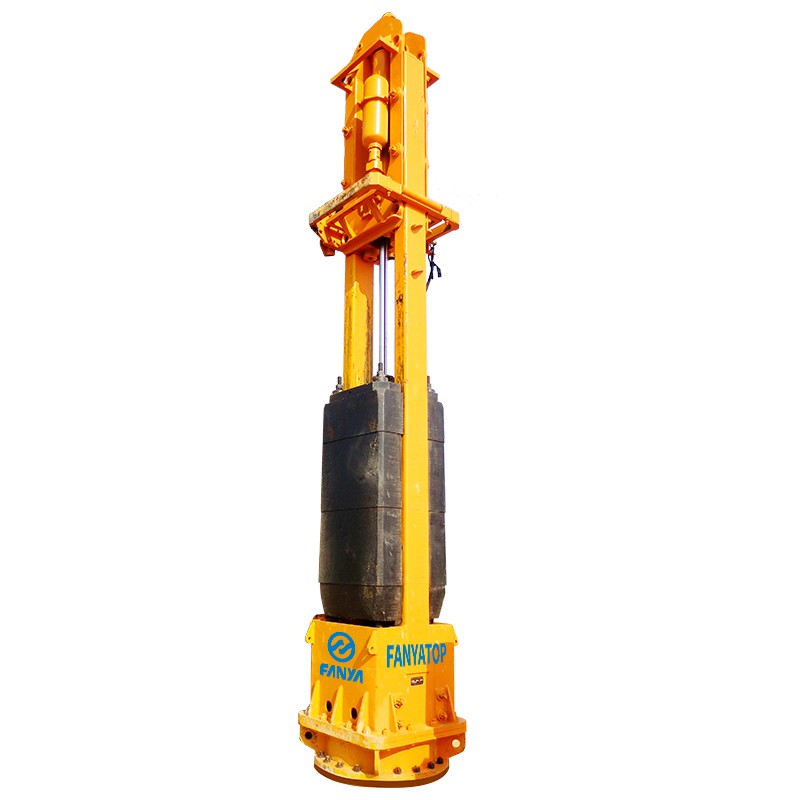
Imagine this: you’re on a tight urban construction site, your excavator’s pile hammer is driving steel sheets into dense, mixed soil. Suddenly, the hammer starts lagging—vibrations shake nearby structures, and the foreman signals a halt. Delays pile up, costs soar, and that sinking feeling hits: is your equipment just not up to the task? This scenario is all too common, but it doesn’t have to be. In today’s demanding construction environments, a pile hammer isn’t just a tool; it’s a precision instrument that can make or break a project. So, can your pile hammer outsmart the toughest ground, or is it time for an upgrade? Let’s dive into the technology that’s reshaping foundation work.
Pain Points: Where Pile Hammers Often Fall Short
In high-stakes projects, subpar pile hammers lead to significant headaches. First, excessive vibration and noise pose a major issue. On sites near sensitive areas like hospitals or residential zones, uncontrolled vibrations can damage adjacent structures or trigger regulatory fines. For example, in a recent bridge project in Germany, vibration levels exceeded 5 mm/s, causing cracks in nearby buildings and resulting in over €50,000 in repairs and delays. Beyond structural harm, noise pollution can lead to community complaints and work stoppages, adding weeks to timelines.
Second, energy inefficiency and wear drain resources. Many conventional hammers waste up to 30% of hydraulic energy as heat, leading to frequent overheating and component failure. This not only spikes fuel costs but also requires costly replacements—think €2,000-€5,000 per major repair. In a mining operation in Australia, this inefficiency caused a hammer to fail every 200 hours, costing an extra €15,000 annually in maintenance and downtime.
Third, lack of adaptability and downtime hits productivity. Hammers that can’t adjust to varying soil types—from soft clay to rocky strata—force operators to switch tools or halt work. On a port expansion in the Netherlands, this led to 40 hours of unplanned downtime per month, translating to €8,000 in lost revenue. The ripple effect? Missed deadlines and strained client relationships.
Solutions: Engineering Excellence in Modern Pile Hammers
Addressing these pain points requires cutting-edge innovations. For vibration control, advanced damping systems with active counterweights and rubber isolators can reduce vibrations by up to 70%. These systems, compliant with ISO 4866 standards, absorb shock waves, protecting both equipment and surroundings. In practice, this means hammers can operate safely within 10 meters of sensitive structures, avoiding costly damages.
To boost efficiency, hydraulic optimization is key. Modern hammers from leaders like XUZHOU FANYA IMPORT&EXPORT CO.,LTD integrate variable displacement pumps and smart valves that adjust flow based on soil resistance. This cuts energy waste to under 10%, extending component life by 50%. For instance, their models feature heat exchangers that maintain optimal temperatures, reducing failure rates and saving thousands in fuel annually.
Adaptability comes from modular design and real-time monitoring. Hammers with quick-change adapters allow swaps between different pile types in minutes, not hours. Coupled with IoT sensors, they provide data on impact force and soil density, enabling operators to fine-tune settings on the fly. This tech-driven approach minimizes downtime and maximizes output across diverse terrains.
Client Cases: Success Stories from the Field
Real-world results speak volumes. Take Case 1: Metro Tunnel in London, UK. A contractor faced vibration limits of 2 mm/s near historic buildings. After switching to a damped pile hammer from XUZHOU FANYA, vibration dropped to 0.8 mm/s, allowing 24/7 work without disruptions. Project completion accelerated by 15%, saving £200,000. Site manager John Carter noted, “This hammer turned a nightmare into a smooth operation—we’ve cut delays and kept the community happy.”
Case 2: Wind Farm in Texas, USA. Here, rocky soil caused frequent hammer failures. The solution was an energy-efficient model with enhanced wear parts. Result: maintenance intervals extended from 150 to 400 hours, reducing downtime by 60%. Energy savings hit 25%, slashing annual costs by $12,000. Procurement lead Maria Gonzalez said, “The reliability and cost savings have made this our go-to for tough sites.”
Case 3: Port Upgrade in Singapore. Adaptability was crucial for mixed seabed conditions. A modular hammer with real-time monitoring was deployed, enabling quick adjustments. Productivity jumped 30%, with zero unplanned stoppages over six months. Project engineer Lee Wei commented, “It’s like having a brain in the hammer—we’ve optimized every drive.”
Applications and Partnerships: Where Technology Meets Trust
Modern pile hammers excel in diverse scenarios: from urban infrastructure like skyscrapers and bridges to renewable energy projects such as offshore wind farms. They’re also vital in mining and coastal defenses. XUZHOU FANYA, as a specialized exporter, collaborates with global partners like construction firms in Europe and procurement agencies in North America. These relationships, built on shared technical standards and rigorous testing, ensure hammers meet regional demands—whether it’s CE certification in the EU or ASTM compliance in the Americas. By working closely with engineers and buyers, the company tailors solutions that enhance project viability and safety.
FAQ: Answers for Engineers and Procurement Managers
Q1: How do I ensure a pile hammer meets local vibration regulations?
A: Look for hammers with certified damping systems and request test data per standards like ISO 4866. On-site trials can verify compliance before purchase.
Q2: What’s the ROI on an energy-efficient hammer versus a standard model?
A: Based on fuel and maintenance savings, payback often occurs within 12-18 months. For example, a 20% efficiency gain can save over €10,000 yearly on high-use projects.
Q3: Can these hammers handle extreme temperatures or corrosive environments?
A: Yes, models with sealed hydraulic systems and corrosion-resistant coatings, tested from -20°C to 50°C, perform reliably in harsh conditions like deserts or coastal sites.
Q4: How does real-time monitoring integrate with existing fleet management software?
A: Most modern hammers offer API outputs compatible with platforms like CAT Connect or Trimble, allowing seamless data flow for predictive maintenance and efficiency tracking.
Q5: What warranty and support options are available for international buyers?
A: Reputable suppliers provide 2-3 year warranties, with remote diagnostics and local service networks. For instance, XUZHOU FANYA offers 24/7 tech support and spare parts delivery within 48 hours in key regions.
Conclusion: Elevate Your Project with Smart Technology
In summary, a top-tier pile hammer isn’t just about power—it’s about precision, efficiency, and adaptability. By addressing core pain points with advanced engineering, you can slash costs, boost productivity, and tackle the toughest grounds with confidence. Ready to transform your foundation work? Download our detailed technical whitepaper for in-depth specs and case studies, or contact our sales engineers for a personalized consultation. Don’t let outdated tools hold you back; invest in technology that drives success.