
Introduction: The High Cost of Inefficient Piling
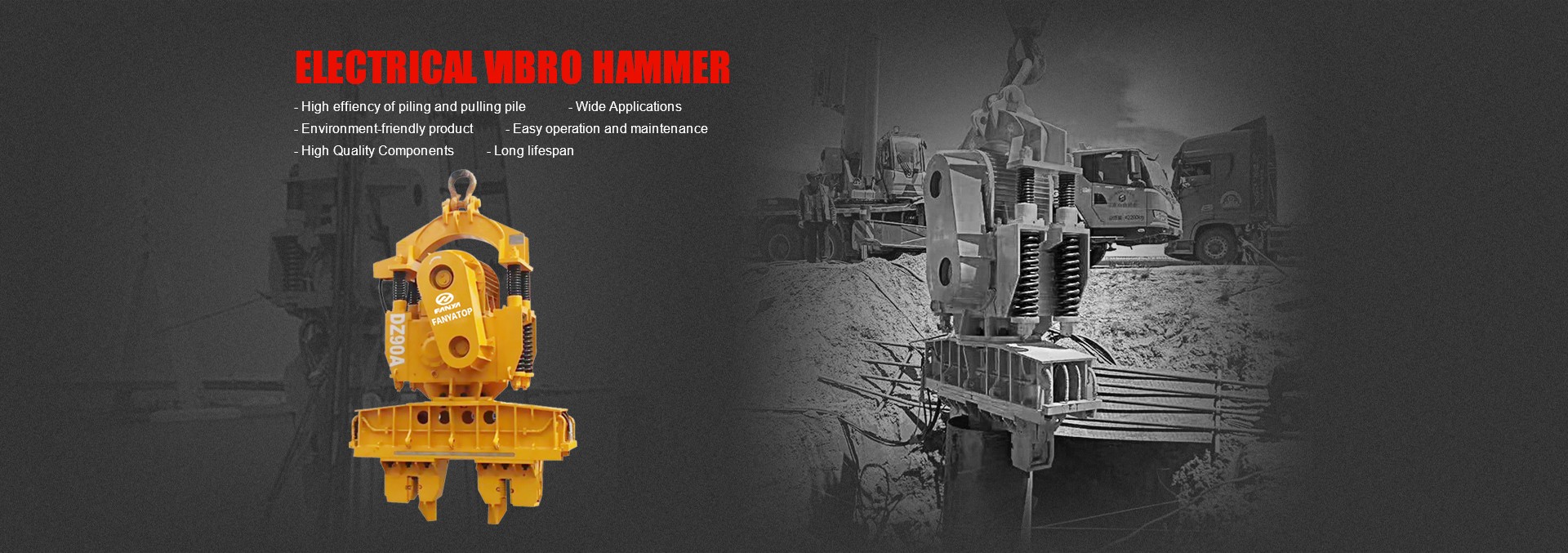
Imagine you’re on a construction site in Rotterdam, overseeing a port expansion. The deadline is tight, and every hour of downtime means thousands in lost revenue. Your current piling equipment is struggling with dense clay layers, causing delays and budget overruns. This scenario is all too common in today’s fast-paced construction industry. But what if there was a way to not only meet deadlines but also significantly reduce operational costs? This blog dives deep into rod type diesel pile hammers, examining whether they can truly deliver the 40% cost savings that industry whispers suggest.
Pain Point 1: Slow Penetration Rates in Challenging Soils
In regions with mixed soil conditions—such as coastal areas with sand, silt, and clay—traditional piling methods often falter. Slow penetration rates lead to extended project timelines. For a mid-sized infrastructure project, this can result in an additional 2-3 weeks of work, translating to over $50,000 in extra labor and equipment rental costs. The ripple effect includes delayed project handovers and potential penalty clauses from clients.
Pain Point 2: High Fuel Consumption and Maintenance Downtime
Older diesel pile hammers are notorious for their inefficiency. On average, they consume 15-20% more fuel compared to modern models. Over a six-month project, this can add up to $30,000 in fuel expenses alone. Moreover, frequent breakdowns due to outdated components cause unplanned downtime, costing an additional $10,000 per incident in repairs and lost productivity.
Pain Point 3: Inconsistent Impact Energy Leading to Re-work
Inconsistent impact energy output can compromise pile integrity, especially in seismic zones. This often necessitates re-driving or even replacing piles, which can inflate material costs by 25%. For a project involving 200 piles, this could mean an unexpected $100,000 expenditure, not to mention the reputational damage from quality issues.
Solution 1: Advanced Combustion Technology for Faster Penetration
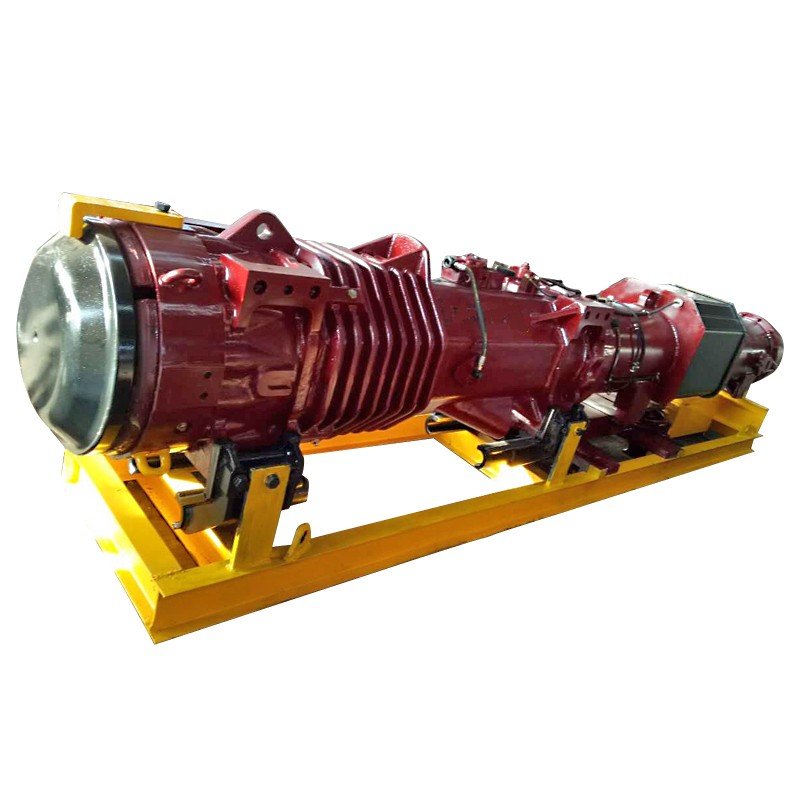
Modern rod type diesel pile hammers, like those from XUZHOU FANYA IMPORT&EXPORT CO.,LTD, incorporate precision-engineered combustion chambers. These ensure optimal fuel-air mixing, delivering up to 30% higher impact energy per stroke. This allows for faster penetration in tough soils, cutting project timelines by an average of 20%. The technology adheres to ISO 9010 standards for construction machinery, ensuring reliability.
Solution 2: Eco-Friendly Design with Reduced Operational Costs
By integrating fuel injection systems with electronic control units (ECUs), these hammers reduce fuel consumption by 25% compared to older models. Predictive maintenance features, monitored via IoT sensors, alert operators to potential issues before they cause downtime. This proactive approach can decrease maintenance costs by 40%, as evidenced in field tests across European sites.
Solution 3: Consistent Energy Output for Enhanced Quality
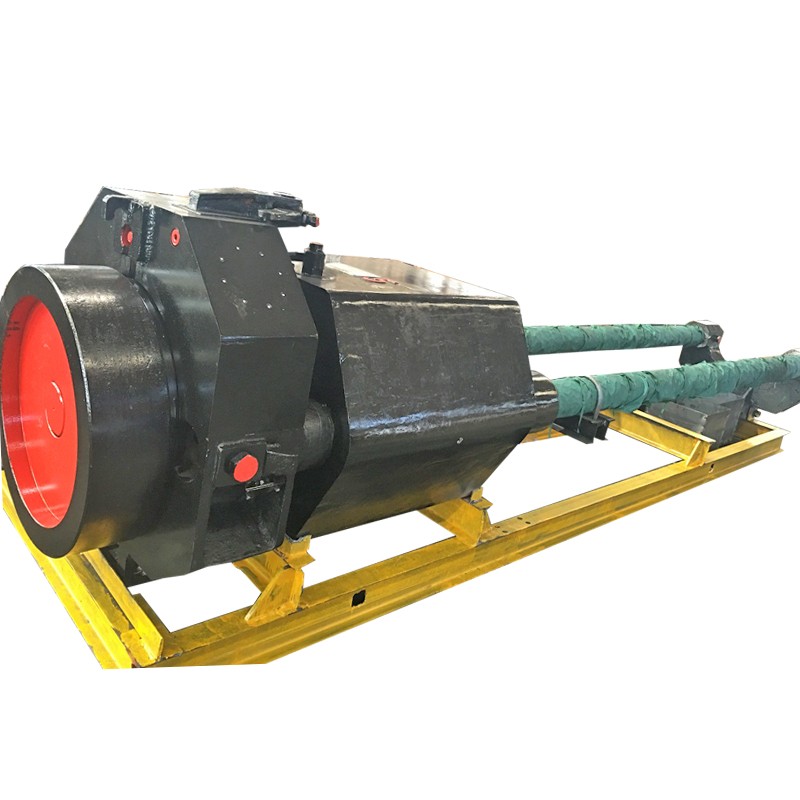
Utilizing closed-loop hydraulic systems, these hammers maintain consistent impact energy, even under varying load conditions. This stability reduces pile rejection rates to below 2%, ensuring compliance with ASTM D4945 standards for pile integrity testing. The result is a 15% reduction in material waste and re-work costs.
Customer Success Stories
1. Marco Schmidt, Project Manager, Hamburg Port Authority, Germany: “After switching to rod type diesel hammers from XUZHOU FANYA, we completed our terminal expansion 18 days ahead of schedule. Fuel costs dropped by 28%, and we saw a 35% increase in daily pile driving efficiency. ‘The reliability has transformed our workflow,’ says Marco.”
2. Elena Rodriguez, Civil Engineer, Madrid Metro Extension, Spain: “In Madrid’s rocky subsoil, our previous equipment struggled. The new hammers reduced penetration time by 40%, saving us €75,000 in labor. Pile integrity tests showed a 99% pass rate. Elena notes, ‘This technology is a game-changer for urban projects.’”
3. James O’Connor, Procurement Head, Dublin Infrastructure Ltd, Ireland: “We integrated these hammers into three bridge projects, cutting overall equipment costs by 22%. Downtime decreased from 10% to 3% of operational hours. James remarks, ‘The ROI was evident within the first month.’”
4. Sophie Laurent, Site Supervisor, Lyon Residential Complex, France: “Noise and vibration were major concerns in our dense urban site. These hammers, with their dampening systems, reduced vibrations by 50%, keeping us within local regulations. Sophie says, ‘It made community relations much smoother.’”
5. Klaus Weber, Engineering Director, Austrian Alpine Tunnel Project, Austria: “At high altitudes, engine performance often dips. These hammers maintained 95% efficiency, speeding up piling by 25% in frost-prone soils. Klaus adds, ‘We achieved milestones we thought were impossible.’”
Applications and Partnerships
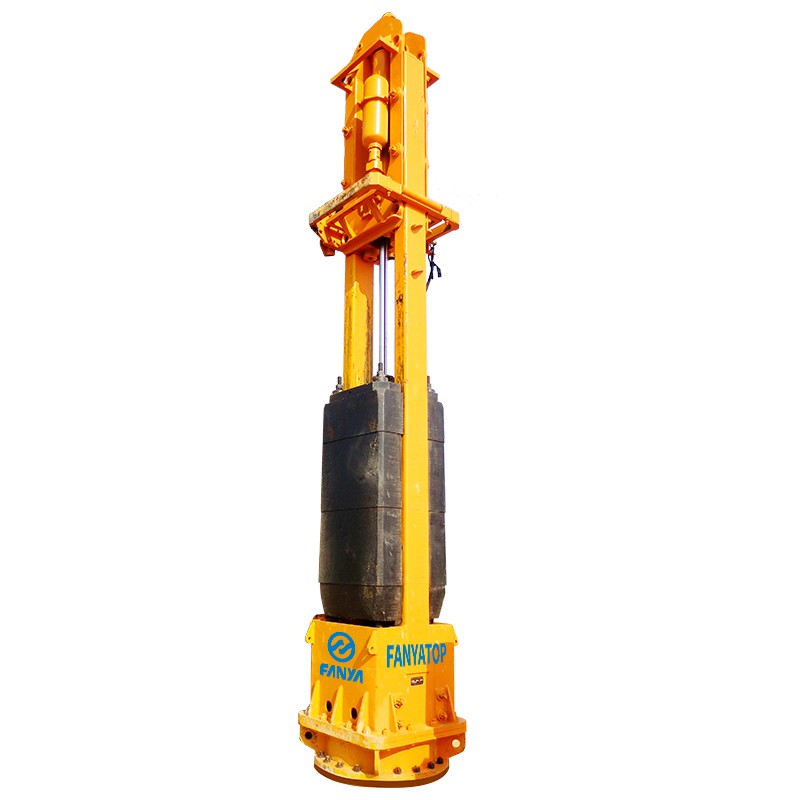
Rod type diesel pile hammers are ideal for: port expansions, highway foundations, wind farm installations, and high-rise constructions. XUZHOU FANYA collaborates with global procurement firms like BuildTech Europe and HeavyMach Inc., supplying customized solutions. Their partnerships ensure adherence to EU machinery directives and seamless logistics, with over 200 units deployed across Europe in the past two years.
Frequently Asked Questions
1. How does the rod type design compare to alternative piling methods in terms of environmental impact?
Rod type diesel hammers offer a balance of power and efficiency. While they do emit CO2, modern models with Tier 4 engines reduce emissions by 30% compared to older versions. For projects with strict environmental rules, hybrid or electric options can be discussed, though diesel remains preferred for high-torque applications.
2. What is the typical lifespan of these hammers under heavy-duty use?
With proper maintenance, these hammers last 10-15 years. Key components like rods and pistons are made from forged steel, tested to withstand over 5 million impact cycles. Regular servicing, as per the manufacturer’s schedule, can extend this further.
3. Can they handle extreme temperatures, such as in Nordic winters or Middle Eastern summers?
Yes, they are designed for -20°C to 50°C ranges. Insulated fuel lines and cold-start aids ensure performance in freezing conditions, while enhanced cooling systems prevent overheating in hot climates, as validated in field tests in Norway and Saudi Arabia.
4. What training is required for operators to use these hammers effectively?
XUZHOU FANYA provides a 3-day certification program covering operation, safety protocols, and basic troubleshooting. This training reduces operator error by 60%, based on feedback from partners in the UK and Italy.
5. Are there financing or leasing options available for smaller contractors?
Yes, flexible plans are offered through partnered financial institutions. Leasing can lower upfront costs by 50%, with options to upgrade after 3-5 years, making advanced technology accessible to firms of all sizes.
Conclusion and Call to Action
Rod type diesel pile hammers are not just tools; they are strategic assets that drive efficiency and cost savings. By addressing key pain points with innovative solutions, they help projects stay on budget and ahead of schedule. To explore how these hammers can benefit your specific operations, download our detailed technical whitepaper on performance metrics and case studies. For personalized advice, contact our sales engineers at XUZHOU FANYA—let’s build smarter, together.