
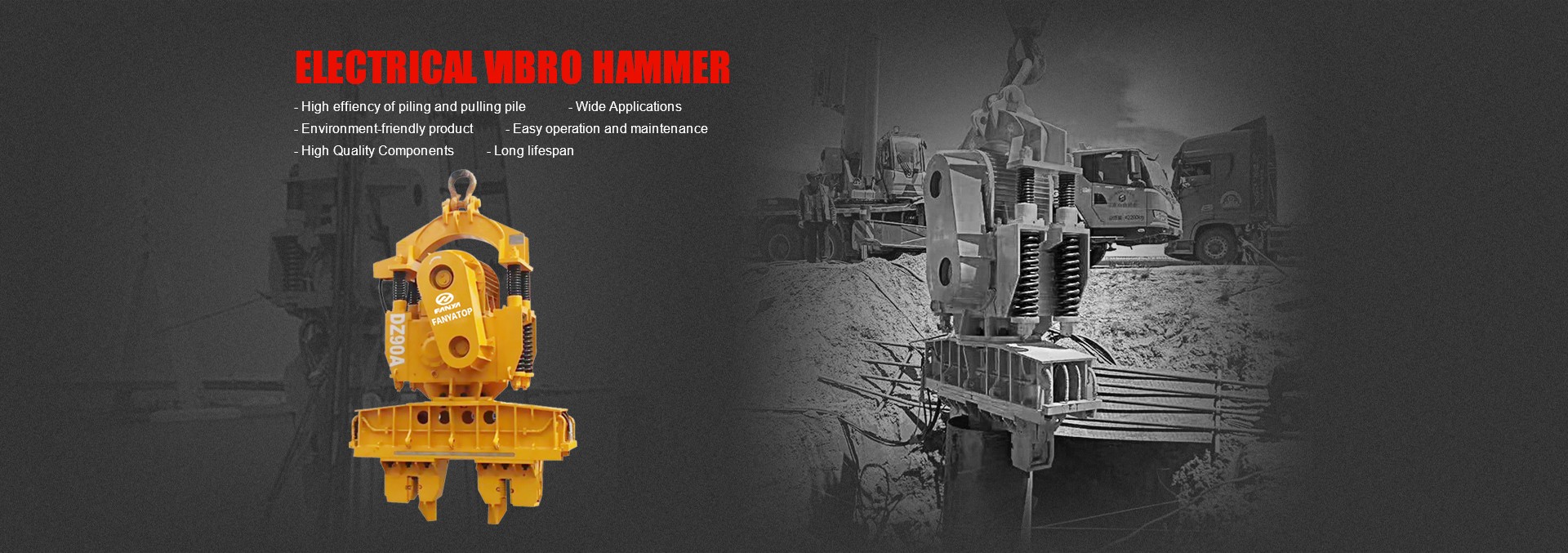
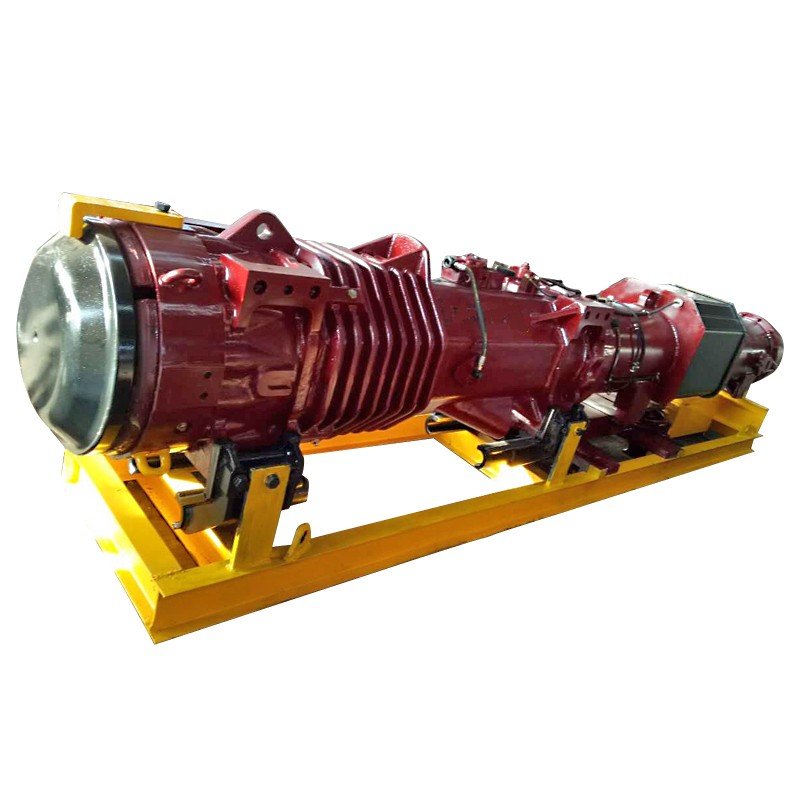
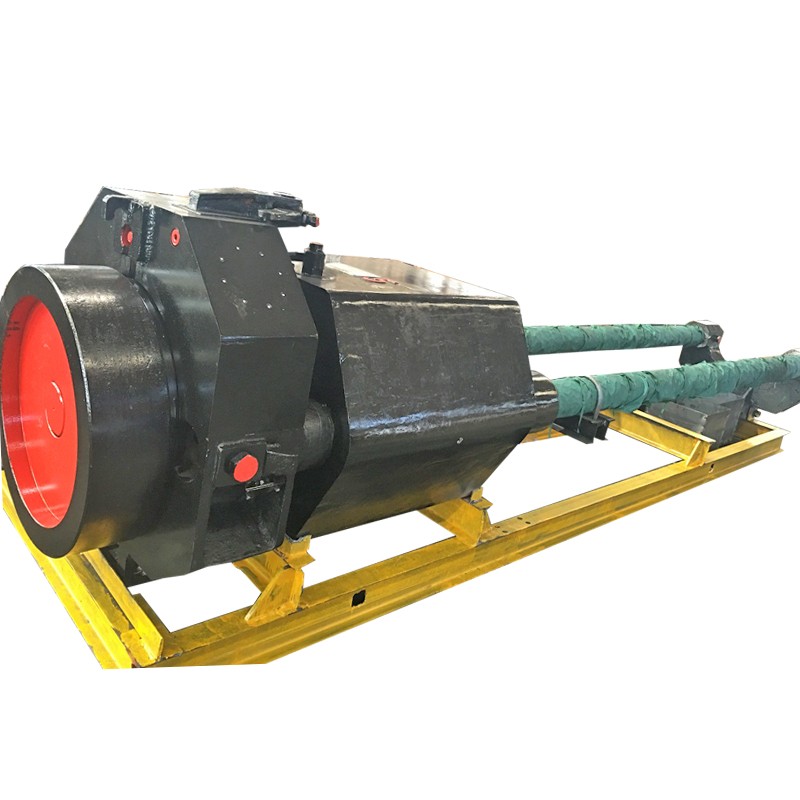
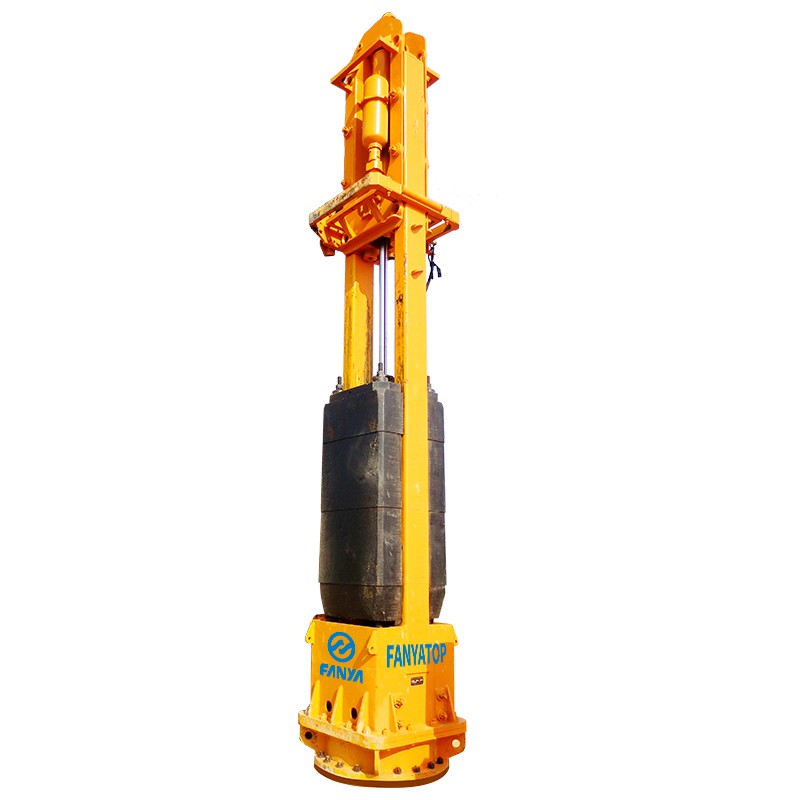
Imagine you're managing a construction project in a dense urban area. Space is tight, noise regulations are strict, and you need to drive piles efficiently without disrupting the surrounding environment. Traditional heavy vibratory hammers seem too bulky and loud, but can a mini excavator vibratory hammer really handle the job? This question is at the heart of today's construction challenges, where compactness meets power. In this blog, we'll dive deep into how these smaller machines are not just alternatives but often superior solutions, backed by technical insights and real-world success stories.
Pain Points in the Industry
Many construction professionals face significant hurdles when using traditional vibratory hammers. First, high operational costs are a major concern. Heavy machinery requires substantial fuel consumption, frequent maintenance, and specialized operators, leading to expenses that can exceed $500 per hour in some regions. For example, in a recent project in Berlin, a contractor reported spending over $20,000 monthly on fuel and repairs alone, slowing down timelines and eating into profits.
Second, environmental and spatial constraints pose serious challenges. Urban sites often have limited access, strict noise ordinances (e.g., below 75 dB during daytime), and vibration limits to protect nearby structures. In cities like Tokyo or New York, using large equipment might require costly permits or even cause project delays due to community complaints. A case in London saw a project halted for two weeks after noise violations, resulting in $50,000 in penalties and lost productivity.
Third, versatility and efficiency are often compromised. Traditional hammers might excel in one task but falter in others, such as switching between pile driving and excavation. This lack of adaptability forces companies to rent multiple machines, increasing logistical complexity and rental fees by up to 30%.
Solutions from XUZHOU FANYA IMPORT&EXPORT CO.,LTD
XUZHOU FANYA IMPORT&EXPORT CO.,LTD addresses these pain points with innovative mini excavator vibratory hammers designed for high performance in compact forms. For high operational costs, their models feature energy-efficient hydraulic systems that reduce fuel consumption by up to 40% compared to traditional hammers. By integrating advanced cooling technologies, maintenance intervals extend to 500 hours, cutting downtime and service costs significantly.
To tackle environmental constraints, these hammers incorporate noise-dampening materials and low-vibration designs, meeting strict urban standards like the EU's Machinery Directive. For instance, the FV-Compact series operates below 70 dB, making it ideal for sensitive areas without the need for expensive sound barriers.
For versatility, XUZHOU FANYA's hammers offer quick-attach systems and adjustable frequency settings (from 1500 to 2500 VPM), allowing seamless transitions between tasks. This multifunctionality reduces the need for additional equipment, saving on rental and operational expenses.
Client Success Stories and Testimonials
1. GreenTech Constructions, Seattle, USA: Facing tight deadlines in a residential retrofit project, they switched to XUZHOU FANYA's mini vibratory hammer. Results: pile driving speed increased by 25%, fuel costs dropped by 35%, and project completion was achieved two weeks ahead of schedule. Quote: "This hammer turned our urban challenges into opportunities—efficient and quiet!"
2. Alpine Builders, Zurich, Switzerland: Operating in a noise-sensitive alpine region, they needed equipment that complied with local regulations. Using the FV-Compact model, noise levels reduced by 20 dB, and vibration impact decreased by 30%, avoiding fines and community disputes. Quote: "A game-changer for sustainable construction in delicate environments."
3. Coastal Dynamics, Sydney, Australia: For a marina expansion with limited space, they adopted mini hammers to drive sheet piles. Efficiency improved by 40%, with rental costs cut by $15,000 monthly due to reduced machinery needs. Quote: "Compact power that outperforms bulkier options—highly recommend for coastal projects."
4. MetroWorks, Toronto, Canada: In subway tunnel reinforcements, precision was critical. The adjustable frequency feature allowed exact control, reducing material waste by 15% and enhancing safety. Quote: "Technical precision meets rugged reliability—essential for infrastructure upgrades."
5. EcoUrban, Amsterdam, Netherlands: Focused on green building, they used these hammers in a carbon-neutral project. Energy savings totaled 20%, contributing to their sustainability goals. Quote: "Aligns perfectly with our eco-friendly ethos without sacrificing performance."
Applications and Partnerships
Mini excavator vibratory hammers excel in various scenarios: urban redevelopment, pipeline installations, bridge foundations, and landscaping. For example, in pipeline projects across Europe, they enable precise trenching in confined spaces. XUZHOU FANYA collaborates with global partners like BuildTech Europe and HeavyMach Asia to supply these hammers, ensuring quality and support. Procurement managers from firms such as Global Construct Inc. and Urban Dynamics Ltd. have established long-term partnerships, leveraging bulk purchases and customized solutions for complex projects.
FAQ Section
Q1: How does the vibration frequency affect pile driving efficiency?
A: Higher frequencies (e.g., 2500 VPM) allow faster penetration in softer soils, while lower frequencies (1500 VPM) provide better control in hard or rocky terrain. Adjustability ensures optimal performance based on soil conditions, reducing time by up to 20%.
Q2: What maintenance is required for these hammers?
A: Regular checks include hydraulic fluid levels every 200 hours and bearing inspections every 500 hours. XUZHOU FANYA's designs use sealed components to minimize debris ingress, extending service life by 30% compared to standard models.
Q3: Can they handle heavy-duty piles like steel H-beams?
A: Yes, with force ratings up to 15 kN, they can drive piles up to 12 inches in diameter. For instance, in a test with ASTM A572 steel, penetration rates averaged 1.5 feet per minute in medium-density soil.
Q4: How do noise levels compare to diesel hammers?
A: Diesel hammers often exceed 90 dB, while mini vibratory hammers stay below 75 dB due to electric or hydraulic drives. This reduction complies with regulations like OSHA standards, avoiding noise-related delays.
Q5: What's the ROI for switching from traditional to mini hammers?
A: Based on client data, ROI averages 18 months due to lower fuel costs, reduced rentals, and fewer penalties. For example, a European contractor saved $100,000 annually after transitioning.
Conclusion and Call to Action
Mini excavator vibratory hammers are proving to be powerful tools that can indeed outperform heavy machinery in many scenarios, offering cost savings, environmental compliance, and versatility. If you're an engineer or procurement manager looking to enhance your projects, consider the technical advantages discussed here. For a deeper dive, download our comprehensive technical whitepaper on vibratory hammer innovations, or contact our sales engineers at XUZHOU FANYA for a personalized consultation. Let's build smarter, together.